

The convergence of neuroscience and digital technology is ushering in an era where the boundary between thought and action dissolves. Among the most transformative applications of this synergy is the capacity to control smart home ecosystems directly through brain signals. Moving beyond voice commands, touchscreens, and motion sensors, Brain-Computer Interfaces (BCIs) propose a future where our living spaces become true extensions of our minds. This technology, once confined to medical rehabilitation and advanced research labs, is now poised to redefine domestic convenience, accessibility, and efficiency. This comprehensive guide delves into the intricate workings of neural smart home control, exploring its foundational science, current technological implementations, profound benefits, ethical quandaries, and the tangible future it promises for homeowners globally.
The Foundational Science: Decoding the Language of the Brain
At its core, a BCI for smart home control is a sophisticated communication pathway that bypasses conventional neuromuscular channels. It translates specific neural activity into executable commands for connected devices.
A. Neural Signal Acquisition: The first step involves capturing the brain’s electrical dialogue. Two primary non-invasive methods dominate consumer-facing development:
* Electroencephalography (EEG): Utilizing a headset equipped with electrodes, EEG measures voltage fluctuations resulting from ionic currents within the brain’s neurons. It is prized for its portability, relative affordability, and real-time processing capability, though signals can be noisy and require complex filtering.
* Functional Near-Infrared Spectroscopy (fNIRS): This technique measures hemodynamic responses changes in blood oxygenation in the cerebral cortex. While offering better spatial resolution than EEG for specific regions, it has a slower response time.
B. Signal Processing and Machine Learning Translation: Raw neural data is a chaotic symphony. Advanced algorithms and machine learning models are trained to identify distinct patterns or “neural signatures” associated with specific intentions. For instance, a user might imagine moving their right hand to turn on a light, or focus on a specific icon on a virtual dashboard. The BCI system learns to correlate these repeatable mental patterns with the desired “turn on light” command.
C. Command Integration with Smart Home Hubs: The translated command is sent via Wi-Fi, Bluetooth, or another protocol to a smart home hub (e.g., Google Home, Apple HomeKit, Samsung SmartThings). The hub then executes the command across the interconnected Internet of Things (IoT) ecosystem, activating lights, adjusting thermostats, or locking doors.
Current Implementations and Real-World Applications
While fully immersive “thought-only” control remains in development, hybrid and assistive technologies are already operational.
A. Assistive Neurotechnology for Enhanced Accessibility: This is the most impactful and established application. Individuals with quadriplegia, advanced ALS, or severe spinal cord injuries can use BCIs to regain unprecedented control over their environment. Through focused attention or motor imagery, they can operate lights, entertainment systems, window blinds, and communication aids, restoring a vital degree of independence and improving quality of life.
B. Hybrid BCIs for Seamless Multi-Modal Control: The near future lies in hybrid systems that combine BCI input with other modalities. A user might activate a “control mode” with a glance (eye-tracking) or a subtle muscle twitch (electromyography), then select devices and actions from a mental menu. This reduces cognitive fatigue and increases accuracy.
C. Passive Monitoring for Proactive Environmental Adjustment: Beyond active control, BCIs can passively monitor cognitive states. By detecting signals associated with stress, fatigue, or concentration, the system could autonomously dim lights, play calming music, adjust room temperature, or mute notifications to create an optimally supportive environment.
Expanded Benefits: The Multifaceted Value of Neural Integration
The advantages of brain-controlled smart homes extend far beyond novelty, offering profound improvements in daily living.
A. Unparalleled Accessibility and Inclusivity: BCIs provide a critical interface for those unable to use traditional controls, effectively dismantling physical barriers within the home and empowering users with severe motor impairments.
B. Enhanced Efficiency and Convenience: Imagine preheating the oven while mentally reviewing a recipe, or dimming all lights and locking doors as you settle into bed all without uttering a word or lifting a finger. BCI control streamlines domestic interactions to the speed of thought.
C. Advanced Energy Conservation and Sustainability: Neural control enables hyper-personalized and precise environmental management. A system that knows you are leaving a room or entering a deep sleep phase can optimize energy usage with granular precision, contributing to significant utility savings and a reduced carbon footprint.
D. Personalized Health and Wellness Ecosystems: Integrated with biometric sensors, a neural smart home could monitor sleep patterns, meditation states, and cognitive load. It could then suggest adjustments, prompt breaks, or create environments conducive to mental recovery and physical well-being.
E. Heightened Security Through Biometric Authentication: The unique nature of individual brainwave patterns offers a potential layer of biometric security. A “neural signature” could be used to authenticate users for secure home access or to authorize sensitive operations, like disabling a security system.
Critical Ethical Considerations and Societal Challenges

This powerful technology does not arrive without significant ethical baggage that must be addressed proactively.
A. Data Privacy and the Sanctity of Neural Data: Brainwave data is the ultimate personal data a direct window into intention, cognitive state, and potentially unformed thoughts. Robust, transparent policies must govern its collection, storage, ownership, and usage. Breaches of neural data constitute a profound violation of personal integrity.
B. Cognitive Liberty and Autonomy: Who owns your thoughts when they are used to control a device? The principle of cognitive liberty the right to self-determination over one’s own brain processes must be central. Users must have absolute control over when the BCI is active, what data is shared, and how it is interpreted.
C. Security Vulnerabilities and the Risk of “Brain Hacking”: A BCI-connected home presents a new attack vector. Malicious actors could potentially hijack signals, issue unauthorized commands, or even attempt to manipulate neural feedback. Developing neural data encryption and intrusion detection systems is paramount.
D. Societal Inequality and the Neuro-Digital Divide: The high initial cost of BCI technology risks creating a new divide: those who can afford cognitive enhancement and ultra-convenience, and those who cannot. Ensuring equitable access, particularly for therapeutic applications, is a crucial societal challenge.
E. Long-Term Neurological and Psychological Impacts: The effects of prolonged BCI use on brain plasticity, attention spans, and our relationship with physical agency are unknown. Continuous longitudinal research is needed to understand and mitigate potential negative consequences.
The Road Ahead: Future Developments and Integration
The trajectory of neural home control points toward increasingly seamless and sophisticated integration.
A. Miniaturization and Aesthetic Design: Future interfaces will shift from bulky headsets to discreet, wearable formats e.g., behind-the-ear devices, integrated headbands, or even minimally invasive epidermal electrodes that are socially acceptable and comfortable for all-day wear.
B. Advanced AI and Context-Aware Predictive Control: Coupled with powerful AI, BCIs will evolve from command-execution tools to predictive partners. The system will learn routines, anticipate needs based on neural state and time of day, and automate complex sequences of actions proactively.
C. Integration with the Metaverse and Augmented Reality (AR): In the future, controlling your physical smart home might occur within an AR overlay or a virtual metaverse space, where mental commands manipulate both digital and physical assets simultaneously.
D. Standardization and Ecosystem Interoperability: For widespread adoption, open communication protocols and industry standards (like a neural equivalent of Matter) will be essential, allowing BCI systems from different manufacturers to work seamlessly with diverse smart home products.
Conclusion
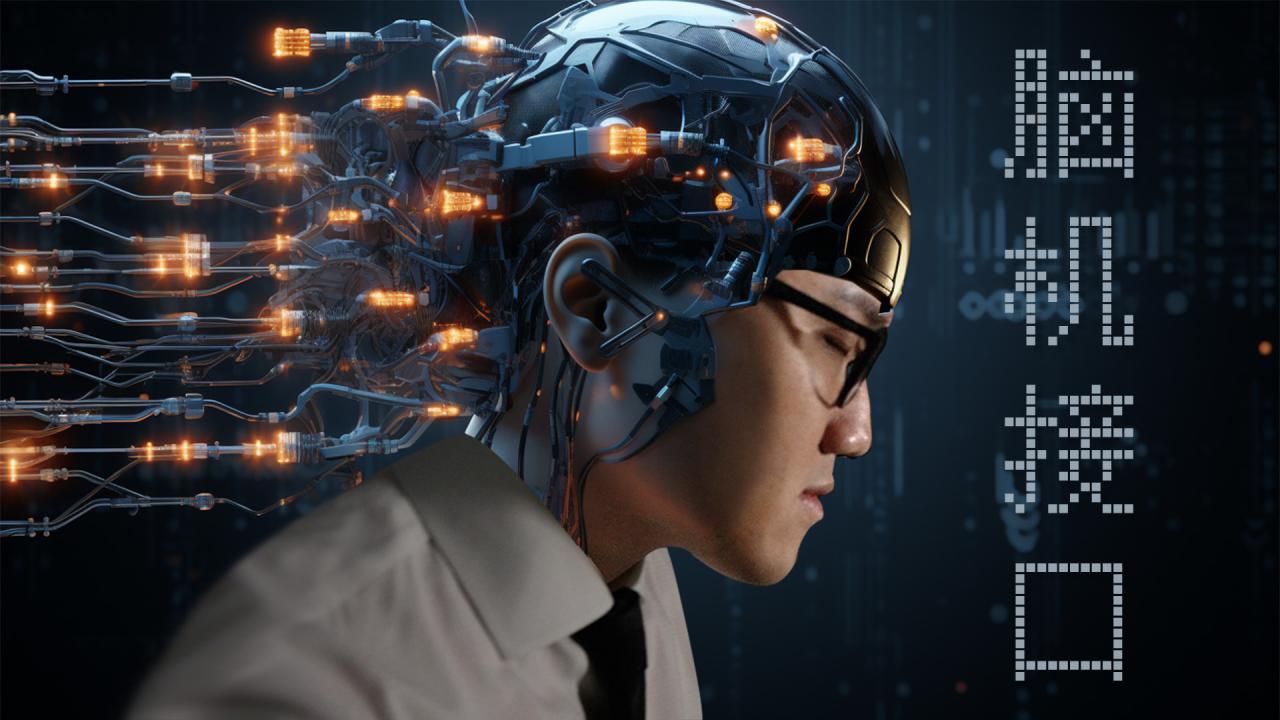
Brain-interface control for smart homes represents far more than a technological upgrade; it is a paradigm shift in human-environment interaction. By translating neural activity into domestic command, it promises to unlock unprecedented levels of autonomy, efficiency, and personalization. However, its journey from assistive miracle to mainstream commodity is paved with complex technical hurdles and deep ethical considerations. As developers, policymakers, and consumers, we must steer this innovation with a balanced focus: vigorously pursuing its immense potential to enhance lives, while vigilantly safeguarding the privacy, security, and cognitive sovereignty of every individual. The thoughtfully managed neural smart home of tomorrow will not just be a house that listens it will be a home that understands and responds to the very essence of its occupant.