
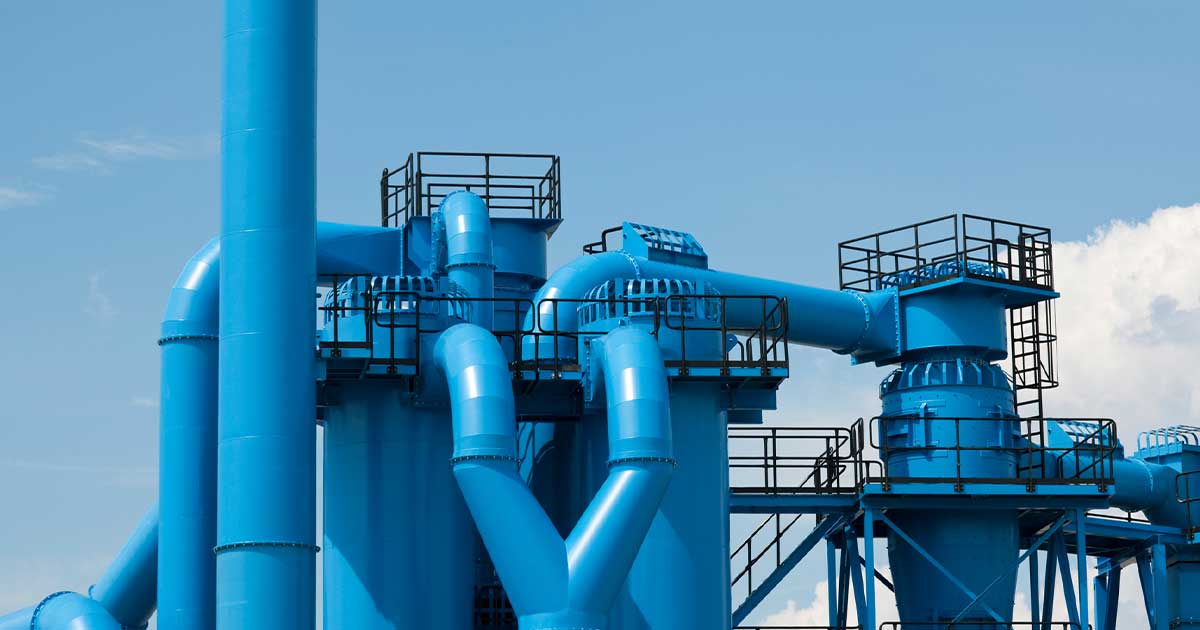
In an era defined by the escalating climate crisis, the quest for innovative solutions to reduce atmospheric carbon dioxide (CO₂) has moved from scientific journals to the forefront of global policy and industrial strategy. Among the most visually striking and technologically promising of these solutions are Carbon Capture Towers. These structures, often resembling vast artificial trees or sophisticated industrial filters, are not mere futuristic concepts but active projects designed to clean our air by directly removing greenhouse gases. This comprehensive analysis delves into the science, technology, diverse applications, economic implications, and critical debates surrounding these modern marvels in our collective fight for a cleaner, more stable planet.
The Science of Direct Air Capture (DAC)
At their core, Carbon Capture Towers are the physical embodiment of Direct Air Capture (DAC) technology. Unlike point-source capture systems installed at power plants or factories, DAC technology is ambient, meaning it can extract CO₂ from the open atmosphere anywhere on Earth. The fundamental principle involves drawing large volumes of air through a system that uses chemical or physical processes to isolate CO₂ molecules.
The process typically involves two main technological approaches:
A. Chemical Sorption (Liquid or Solid Sorbent Systems)
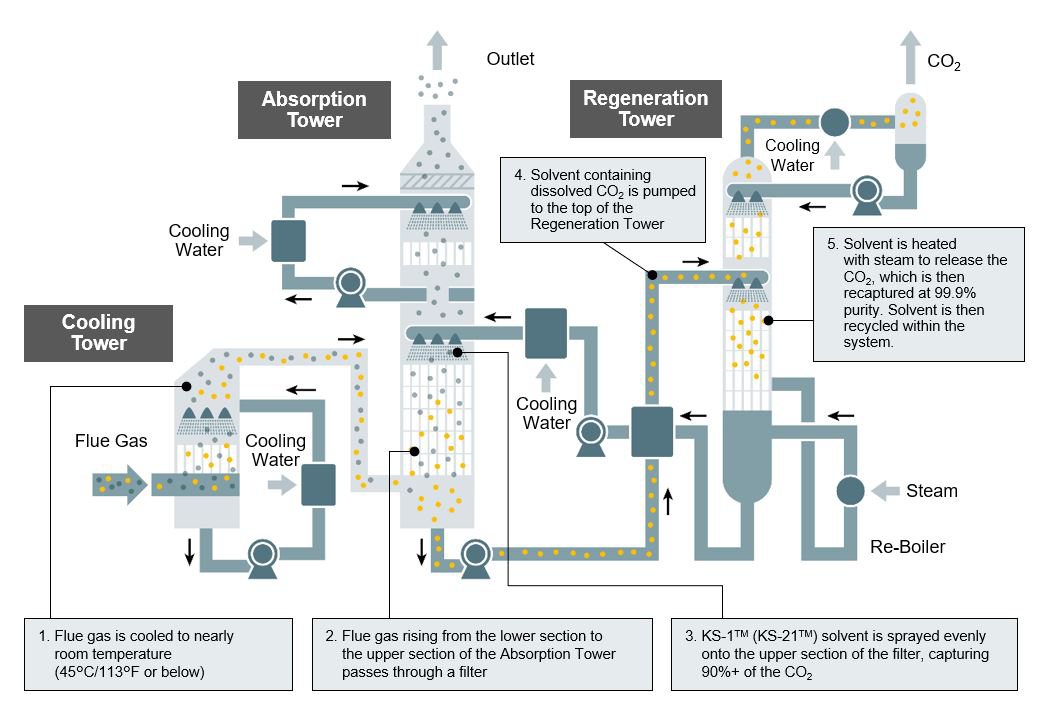
This is the most common method in large-scale towers. Air is forced through large fans over a carefully engineered chemical sorbent a material with a high affinity for CO₂.
-
Liquid Sorbent Systems: Utilize a water-based hydroxide solution (like potassium hydroxide) that reacts with CO₂ to form a stable carbonate. This carbonate is then processed in a high-temperature unit (a calciner) to release a pure stream of CO₂, regenerating the original sorbent for reuse.
-
Solid Sorbent Systems: Employ porous, filter-like materials (e.g., amine-functionalized compounds or metal-organic frameworks – MOFs) that bind CO₂ to their surface. Once saturated, the material is heated or subjected to a vacuum, releasing concentrated CO₂ and rejuvenating the sorbent.
B. Physical Adsorption (Pressure-Swing Systems)
This method uses highly porous materials like activated carbon or zeolites that physically trap CO₂ molecules in their microscopic pores under specific pressure conditions. By cycling the pressure adsorbing at high pressure and desorbing at low pressure CO₂ can be collected. This method often has lower energy requirements for certain concentration ranges.
The energy required for the fans and, critically, for the sorbent regeneration step is the primary operational cost and environmental consideration, making the integration with renewable energy sources absolutely paramount.
Architectural and Engineering Marvels: How Towers Are Designed
Carbon Capture Towers are feats of engineering optimized for maximum air contact and operational efficiency. Their design is far from monolithic and varies based on the capture technology.
A. Large-Scale Industrial Plants
Pioneered by companies like Climeworks (Switzerland) and Carbon Engineering (Canada), these facilities resemble data centers or industrial complexes. They feature arrays of massive, container-sized collector units, each housing powerful fans and contactors filled with sorbent material. The design prioritizes modularity, allowing for scalable expansion. The captured CO₂ is then piped to compression and purification units for onward utilization or storage.
B. Integrated Building and Urban Design
A revolutionary application involves integrating carbon capture technology directly into urban infrastructure. Imagine skyscrapers with façades coated in passive, photo-reactive sorbent materials or ventilation systems equipped with modular capture units. These “breathing buildings” could mitigate their own operational emissions and contribute to cleaner city air, tackling localized pollution hotspots.
C. Biomimetic and Aesthetic Structures
Some conceptual designs draw inspiration from nature. Tower structures modeled after giant leaves or forests of “mechanical trees” aim to create a visually symbolic harmony between technology and the natural systems they seek to aid. While functionality is key, public acceptance and the psychological impact of seeing climate action embodied in architecture are significant factors.
From Capture to Closure: The CO₂ Value Chain
Capturing CO₂ is only the first step. The ultimate climate benefit hinges entirely on what happens to the captured gas. This “value chain” presents multiple pathways, categorized by the longevity of CO₂ removal.
A. Permanent Geological Sequestration (Carbon Dioxide Removal – CDR)
This is the pathway with the highest impact for mitigating climate change. The purified CO₂ is compressed into a dense, liquid-like state (supercritical CO₂) and injected deep underground into carefully selected geological formations, such as depleted oil and gas reservoirs or saline aquifers. Here, over centuries, it mineralizes reacting with basaltic rock to form stable carbonate minerals essentially turning CO₂ back into stone. Projects like Carbfix in Iceland, in partnership with Climeworks’ “Orca” plant, are successfully demonstrating this at scale. This represents true negative emissions.
B. Utilization (Carbon Capture and Utilization – CCU)
Here, CO₂ is not seen as a waste but as a feedstock. This pathway creates circular carbon economies but varies in its permanence:
* Sustainable Fuels: CO₂ can be combined with green hydrogen (produced via electrolysis using renewable energy) to synthesize drop-in fuels like gasoline, diesel, or aviation fuel (e.g., Carbon Engineering’s AIR TO FUELS™ process). When burned, these fuels rerelease CO₂, making the cycle carbon-neutral if all energy inputs are renewable.
* Building Materials: CO₂ can be permanently mineralized into aggregates for concrete or injected into cement during curing, enhancing strength and locking away carbon for the lifetime of the infrastructure (decades or centuries).
* Chemical Feedstock and Enhanced Agriculture: It can be used to produce plastics, polymers, fertilizers, or even in greenhouses to accelerate plant growth.
C. Enhanced Oil Recovery (EOR)
This is the most controversial use. Captured CO₂ is injected into aging oil fields to extract otherwise unreachable fossil fuels. While it can partially offset the cost of capture and geologically sequester some CO₂, the net climate benefit is highly questionable and often negative if the recovered oil is burned.
The Multifaceted Imperative: Why Pursue Carbon Capture Towers?
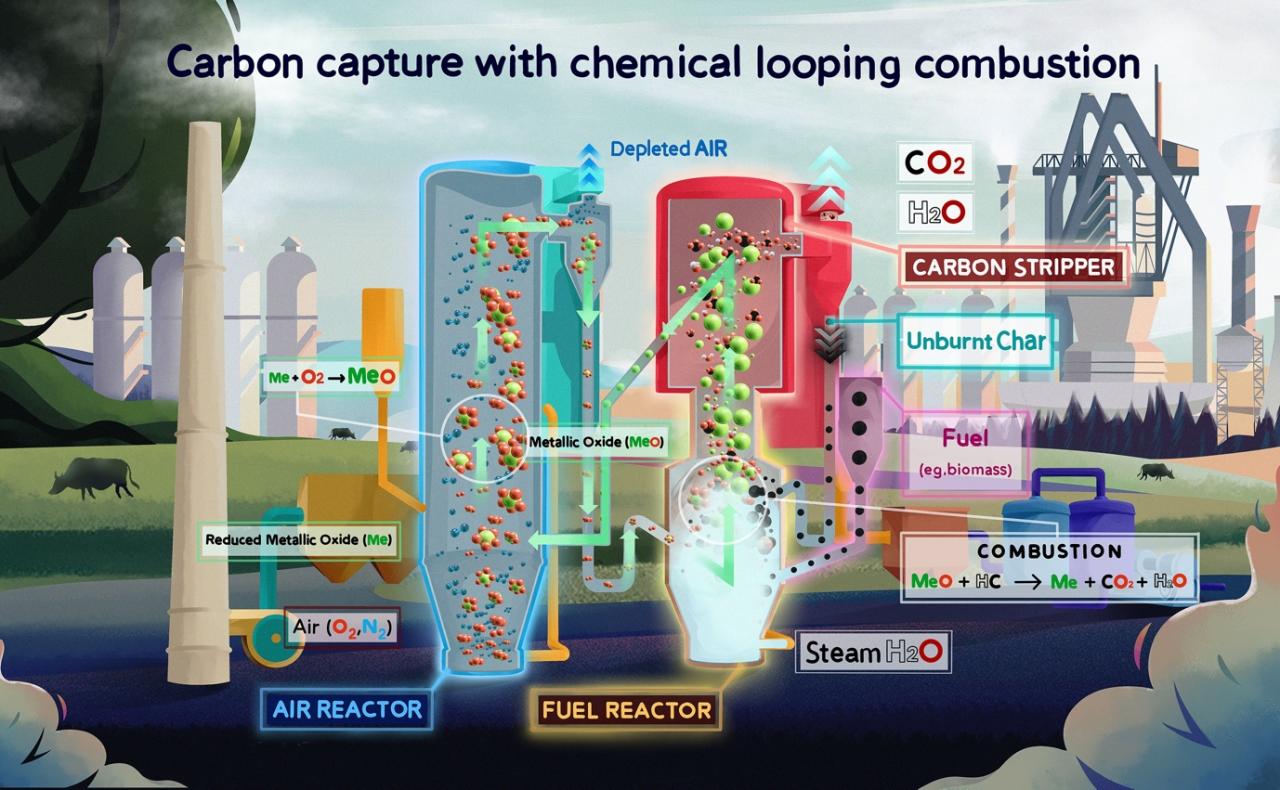
The development of DAC towers is driven by a confluence of critical needs that renewable energy and efficiency alone cannot fully address.
A. Addressing Legacy and Diffuse Emissions
Even in the most optimistic decarbonization scenarios, past emissions and hard-to-abate sectors (like long-haul aviation, shipping, and heavy industry) will leave a substantial amount of CO₂ in the atmosphere. DAC provides a tool to clean up this historical and residual pollution directly.
B. Geographic Flexibility and Land Efficiency
DAC plants can be sited independently of emission sources, placed on non-arable land, near ideal sequestration sites, or where renewable energy is abundant and cheap. They have a vastly smaller physical footprint per ton of CO₂ removed compared to natural solutions like afforestation.
C. Atmospheric Carbon Reduction and Climate Restoration
Beyond stabilization, many climate models from the IPCC indicate that to limit warming to 1.5°C or reverse overshoot scenarios, active carbon removal on a gigaton scale will be necessary. DAC towers are a scalable, measurable, and verifiable method to achieve this drawdown.
D. Economic Diversification and Innovation
The DAC industry is spawning new supply chains, from sorbent manufacturing to pipeline transport and monitoring. It creates high-skilled jobs in engineering, geology, and construction, fostering a new economic sector centered on environmental restoration.
Navigating the Labyrinth of Challenges and Criticisms
Despite its promise, the path for Carbon Capture Towers is fraught with significant hurdles that must be transparently addressed.
A. Prohibitive Energy and Water Demands
The dilute nature of CO₂ in air (~420 ppm) means processing immense volumes, requiring substantial energy. If this energy comes from fossil sources, the net capture benefit is severely undermined or negated. Similarly, some liquid sorbent systems consume significant water, raising concerns in arid regions. The imperative for dedicated, additional renewable energy infrastructure is non-negotiable.
B. High Economic Costs
Current DAC costs are steep, ranging from $600 to $1,000 per metric ton of CO₂ captured, though projected to fall below $200-$300 with scale and innovation. This compares unfavorably with many mitigation strategies. Widespread deployment, therefore, depends on robust carbon pricing, tax credits (like the enhanced 45Q in the U.S.), and substantial public and private investment.
C. Scalability and Infrastructure Gaps
To make a dent in global emissions, DAC must scale from thousands of tons to billions of tons per year. This requires an unprecedented global manufacturing effort for capture units and a massive parallel build-out of CO₂ transport and storage infrastructure pipelines, monitoring networks, and sequestration sites that currently does not exist.
D. Moral Hazard and Mitigation Distraction
A profound criticism is that emphasis on future “silver bullet” technologies could provide a pretext for delaying the essential work of reducing emissions at source phasing out fossil fuels, enhancing efficiency, and deploying renewables. DAC must be framed as a complement to, not a substitute for, aggressive mitigation.
The Road Ahead: Integration and Policy
The future of Carbon Capture Towers lies not in isolation, but in intelligent integration within a broader climate action ecosystem.
A. Hybrid Systems and Synergies
The most promising models integrate DAC with other processes. Co-locating with geothermal or solar plants provides clean heat and power. Using waste heat from industrial facilities improves efficiency. Combining DAC with enhanced weathering of minerals or bioenergy (BECCS) could create powerful hybrid negative emission systems.
B. The Critical Role of Policy and Investment
Government policy is the primary accelerant. This includes: funding for R&D to improve sorbents and reduce energy penalties; creating guaranteed markets for removed carbon through procurement programs; de-risking private investment in storage infrastructure; and establishing robust, transparent carbon accounting and certification standards to ensure environmental integrity.
C. Global Equity and Distribution
Deployment must consider global justice. The nations most responsible for historical emissions have a responsibility to fund and host initial large-scale projects. However, siting must also consider global storage capacity and renewable resources, potentially creating new forms of climate-related cooperation and commerce.
Conclusion: A Necessary Tool in the Climate Toolkit
Carbon Capture Towers represent a bold, technologically sophisticated form of climate intervention. They are not a magic wand that will absolve society of the need for a rapid energy transition. Rather, they are a developing set of tools akin to a atmospheric vacuum cleaner for the monumental cleanup operation that awaits us. Their success hinges on dramatic reductions in cost and energy use, swift and massive scaling, and, most importantly, their deployment within a strategy unequivocally centered on ending fossil fuel dependence. As we stand at the precipice of critical climate tipping points, these towering structures embody both the profound ingenuity of humanity and a sobering acknowledgment of the scale of the challenge we have created for ourselves. Their ultimate legacy will be determined by the wisdom with which we integrate them into a comprehensive plan to purify our air and secure a livable future.