The landscape of modern medicine is undergoing a seismic shift, propelled by the relentless advancement of Artificial Intelligence. For decades, medical science has grappled with diseases deemed “untreatable” or “incurable” conditions with elusive mechanisms, complex pathologies, or personalized manifestations that defy conventional one-size-fits-all therapies. These frontiers of medicine are now being breached not solely by the scalpel or the microscope, but by the algorithm and the neural network. AI is emerging as the most potent tool in a new era of precision medicine, transforming vast, chaotic biological data into actionable insights, revealing novel therapeutic pathways, and enabling interventions at a speed and scale previously unimaginable. This in-depth exploration delves into how machine learning, deep learning, and other AI disciplines are not just assisting but leading the charge in curing diseases once thought beyond our reach, fundamentally redefining the possible in healthcare.
From Data Deluge to Lifesaving Insights: The Core of AI’s Power
The human biological system is arguably the most complex dataset in existence. Genomics, proteomics, metabolomics, and medical imaging generate petabytes of information. The traditional scientific method struggles to find subtle, non-linear patterns within this data deluge. This is where AI excels.
A. Pattern Recognition Beyond Human Capability: AI algorithms, particularly deep learning models, can analyze millions of data points from genetic sequences to histological slides to identify biomarkers, disease subtypes, and progression patterns invisible to the human eye. For instance, in oncology, AI can scrutinize radiology scans to detect micro-tumors years before they become clinically apparent, or analyze tumor genetics to predict its metastatic potential.
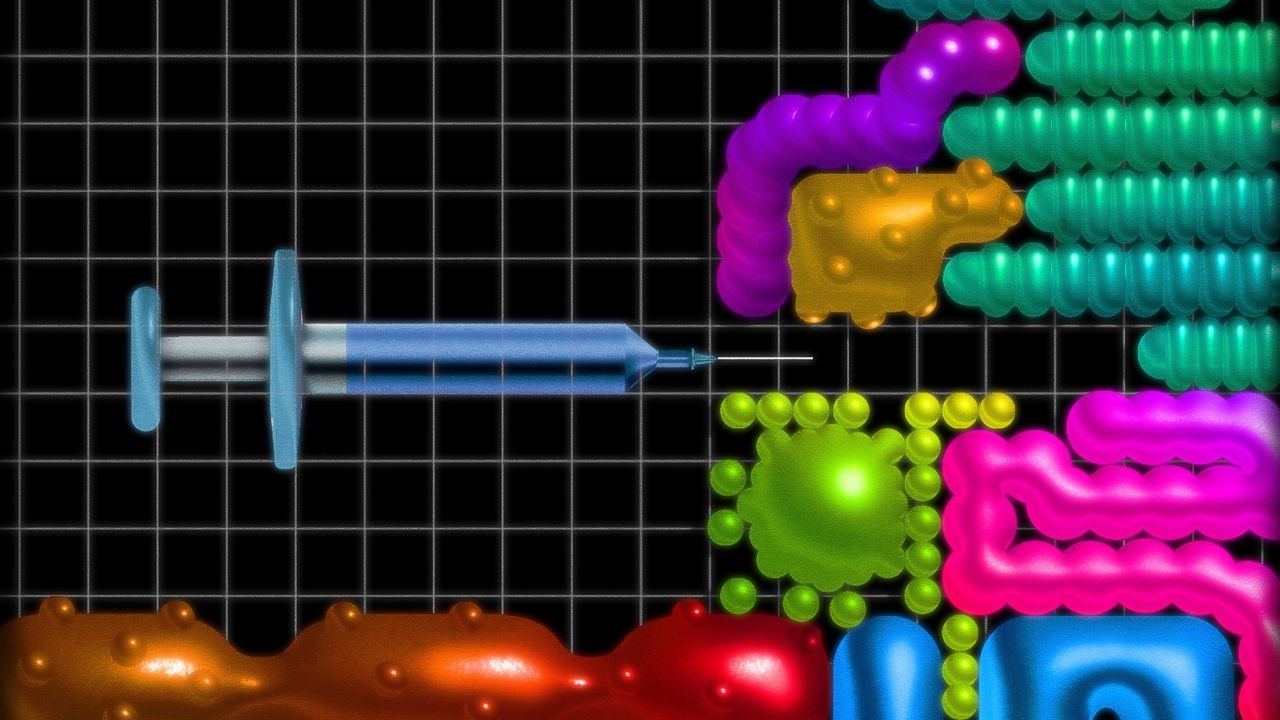
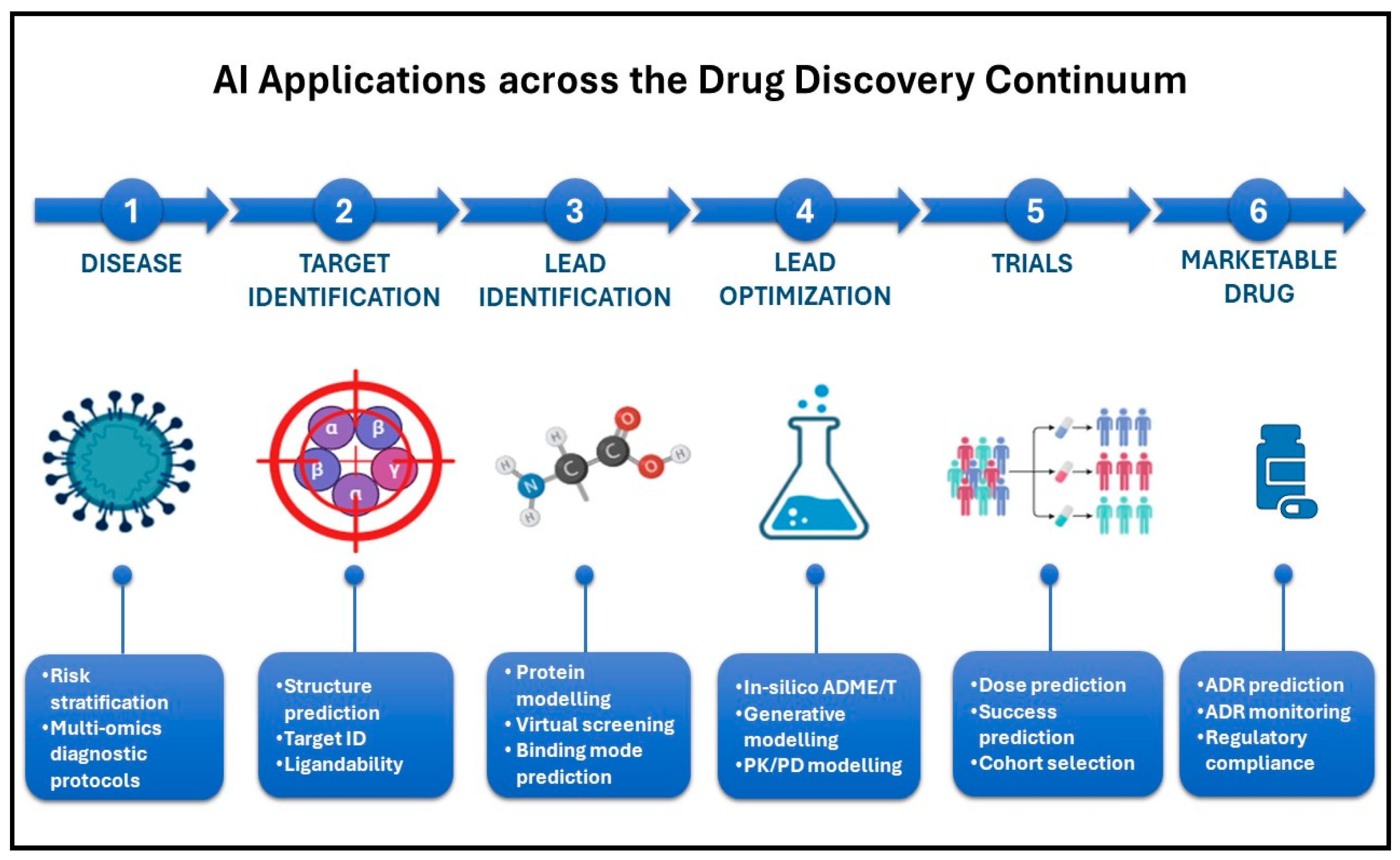
B. Accelerating Discovery: From Years to Hours. The drug discovery process has historically been a decade-long, multi-billion dollar gamble. AI is compressing this timeline dramatically. Machine learning models can screen virtual libraries of billions of molecular compounds against digital models of disease targets, predicting efficacy and potential side effects before a single test tube is used in a lab. This “in-silico” trial phase saves immense resources and fast-tracks promising candidates for further study.
C. Personalization at the Atomic Level. The concept of “untreatable” often stemmed from disease heterogeneity. What works for one patient’s cancer may fail for another’s, even if they share a diagnosis. AI synthesizes data from an individual’s genome, lifestyle, and environment to build a digital twin or a personalized disease model. This allows for the prediction of which treatment will be most effective for that specific person, moving from population-based medicine to truly individualized care.
Conquering the “Incurable”: AI in Action Across Disease Categories
The proof of AI’s transformative power is most evident at the frontiers of medicine. Here are specific domains where it is turning the tide.
A. Oncology: Outsmarting Cancer’s Complexity
Cancer’s ability to mutate and evade treatment has long made advanced stages seem incurable. AI is changing this narrative.
-
Early and Hyper-Accurate Diagnosis: Algorithms trained on millions of mammograms, dermatology images, and pathology slides now outperform many human experts in detecting breast cancer, melanoma, and other cancers at stages where they are most curable.
-
Decoding Tumor Ecosystems: AI analyzes a tumor’s genetic makeup and the surrounding immune microenvironment to recommend combination therapies specific immunotherapies paired with targeted drugs that can outmaneuver the cancer’s defense mechanisms.
-
Radiotherapy Precision: AI-driven planning systems can contour tumors and sensitive organs in seconds on CT scans, designing radiation beams that maximize tumor dose while sparing healthy tissue with sub-millimeter accuracy, making previously inoperable tumors treatable.
B. Neurodegenerative Diseases: Illuminating the Brain’s Darkness
Conditions like Alzheimer’s, Parkinson’s, and ALS have been particularly devastating due to late diagnosis and a poor understanding of progression. AI is bringing light into this darkness.
-
Predictive Diagnostics: By analyzing speech patterns, eye movement data, and brain MRI scans over time, AI models can predict the onset of Alzheimer’s or Parkinson’s years before clinical symptoms, opening a critical window for early intervention.
-
Drug Repurposing: AI has scoured medical databases to identify existing drugs for other conditions that might have neuroprotective properties. For example, AI models suggested connections between certain diabetes medications and reduced Alzheimer’s risk, leading to new clinical trials.
-
Brain-Computer Interfaces (BCIs): Powered by AI that decodes neural signals, BCIs are allowing paralyzed patients to control robotic limbs or communicate through digital avatars, effectively “curing” their locked-in state and restoring a degree of autonomy.
C. Rare and Genetic Diseases: Ending the Diagnostic Odyssey
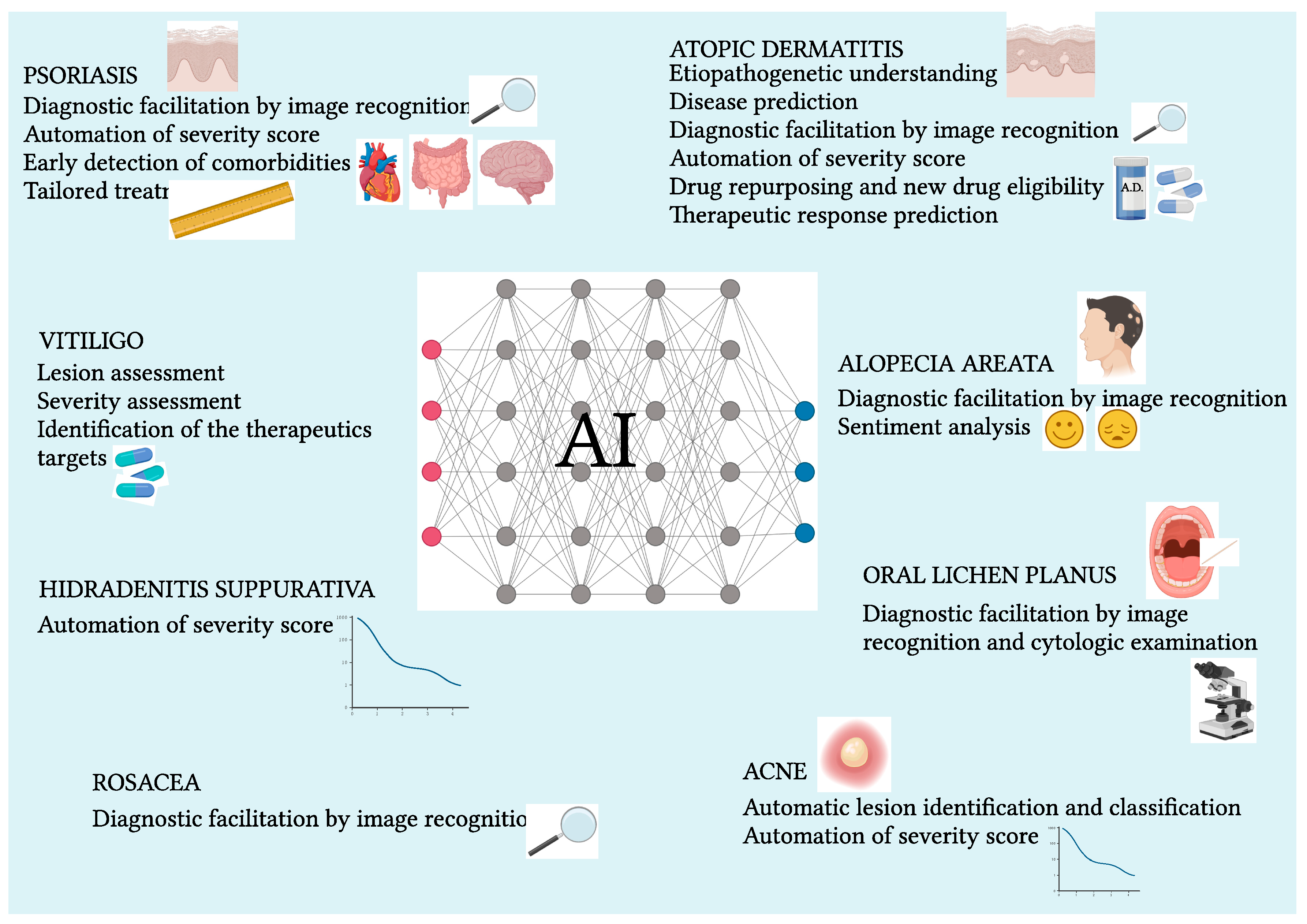
For patients with rare diseases, the average diagnostic journey lasts over five years a painful “odyssey” of misdiagnoses. AI acts as a super-powered diagnostic partner.
-
Phenotypic Matching: AI platforms can analyze a patient’s full clinical phenotype (symptoms, facial features via image analysis, lab results) and match it against global databases of rare disease profiles, suggesting potential genetic culprits in minutes.
-
Interpreting the “Dark Genome”: Most of our DNA is non-coding, and mutations here are poorly understood. AI can model the regulatory impact of these mutations, uncovering the cause of diseases that remained genetically mysterious despite extensive sequencing.
D. Antibiotic Resistance and Infectious Diseases: Fighting the Invisible Enemy
The rise of superbugs resistant to all known antibiotics represents a global threat. AI is a new weapon in this ancient war.
-
Discovering Novel Antibiotics: In a groundbreaking study, an AI model identified a powerful new antibiotic compound, halicin, effective against drug-resistant pathogens like Acinetobacter baumannii, from a library of over 100 million molecules a discovery that could take decades using conventional methods.
-
Predicting Pandemics and Outbreaks: AI analyzes data from news reports, flight patterns, animal disease surveillance, and climate models to predict zoonotic spillover events and potential pandemic pathways, allowing for proactive containment strategies.
The Machinery of Hope: Key AI Technologies Driving the Change
Understanding the specific tools behind these breakthroughs is crucial.
A. Machine Learning (ML) & Deep Learning (DL): The workhorses of medical AI. ML algorithms learn from structured data (e.g., lab values) to make predictions. DL, using artificial neural networks, excels with unstructured data like images, text, and sound, enabling breakthroughs in radiology and pathology.
B. Natural Language Processing (NLP): This allows AI to read and understand human language. It mines decades of unstructured clinical notes, research papers, and patient forums to uncover hidden correlations between symptoms, diseases, and treatments that were buried in text.
C. Generative AI and Digital Twins: Beyond analysis, generative AI can design novel drug molecules with desired properties. Coupled with the concept of a “digital twin” a dynamic, virtual model of a patient’s physiology doctors can simulate how a disease will progress or how a drug will behave in that specific individual, allowing for risk-free treatment optimization.
Navigating the Challenges: Ethics, Bias, and the Human Touch
This revolution is not without its profound challenges. The integration of AI into life-and-death decisions necessitates rigorous scrutiny.
A. Data Bias and Health Inequity: If AI is trained on datasets skewed toward certain demographics (e.g., predominantly Caucasian genomes), its diagnostics and treatment recommendations may be less accurate for underrepresented groups, potentially exacerbating health disparities. Ensuring diverse, high-quality training data is a moral imperative.
B. The “Black Box” Problem: Many advanced AI models are opaque; it’s difficult to understand why they reached a particular conclusion. In medicine, explainability is critical for clinician trust and patient consent. Developing “interpretable AI” is a major research focus.
C. Regulatory and Clinical Integration: Regulatory bodies like the FDA are developing new frameworks for AI-based SaMD (Software as a Medical Device). Integrating AI tools seamlessly into clinical workflows without overburdening healthcare providers is another key hurdle. AI must be a decision support tool, not a replacement for clinician judgment and compassionate patient care.
The Future: A Collaborative Horizon of Human and Machine Intelligence
The future of medicine is not an automated, robotic system, but a powerful partnership. The clinician’s expertise, intuition, and empathy, combined with AI’s computational power and pattern recognition, create a symbiosis far greater than the sum of its parts. We are moving towards a world where:
-
Proactive, Predictive Health replaces reactive sick care.
-
“N-of-1” Therapies become the standard for complex diseases.
-
The “Diagnostic Odyssey” for rare diseases is relegated to history.
-
Global Health Equity is advanced through AI-powered diagnostic tools accessible via smartphone in remote areas.
Conclusion
The narrative of “incurable” diseases is being rewritten line by line, algorithm by algorithm. Artificial Intelligence has ceased to be a futuristic concept and is now a present-day clinical powerhouse, offering tangible hope where little existed. By decoding biological complexity, personalizing intervention, and accelerating discovery at an unprecedented pace, AI is not merely treating symptoms but is actively engineering cures for conditions that have long defined the limits of medicine. While challenges of ethics, access, and implementation remain, the trajectory is clear. We are at the dawn of a new medical paradigm, one where the synergy of human wisdom and artificial intelligence is finally turning the impossible into the inevitable, bringing the promise of a cure within reach for millions around the globe.