
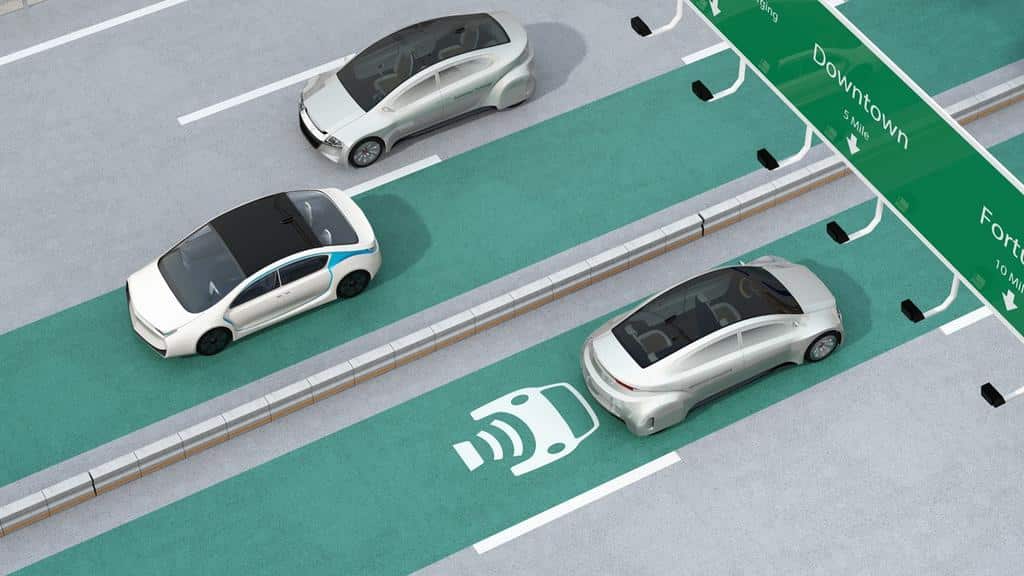
The automotive landscape is undergoing a seismic shift, transitioning from the familiar growl of internal combustion engines to the quiet hum of electric vehicles (EVs). Yet, for many potential adopters, a persistent anxiety lingers: range anxiety. The fear of a depleted battery far from a charging station remains a significant barrier to mass EV adoption. While static charging ports at homes, workplaces, and dedicated stations are proliferating, a revolutionary solution is emerging from the very ground we drive on: Smart Roads that can charge electric cars while they are in motion. This isn’t science fiction; it’s the cutting edge of transportation technology, promising to untether EVs from the plug and redefine our relationship with mobility. This comprehensive guide delves into the mechanisms, benefits, challenges, and profound future implications of dynamic wireless charging infrastructure.
The Core Technology: Electrifying the Asphalt
At its heart, smart road charging technology, known as Dynamic Wireless Power Transfer (DWPT), is an elegant application of electromagnetic induction. The core principle, discovered by Michael Faraday, states that a changing magnetic field can generate an electric current in a nearby conductor. Smart roads ingeniously apply this on a grand scale.
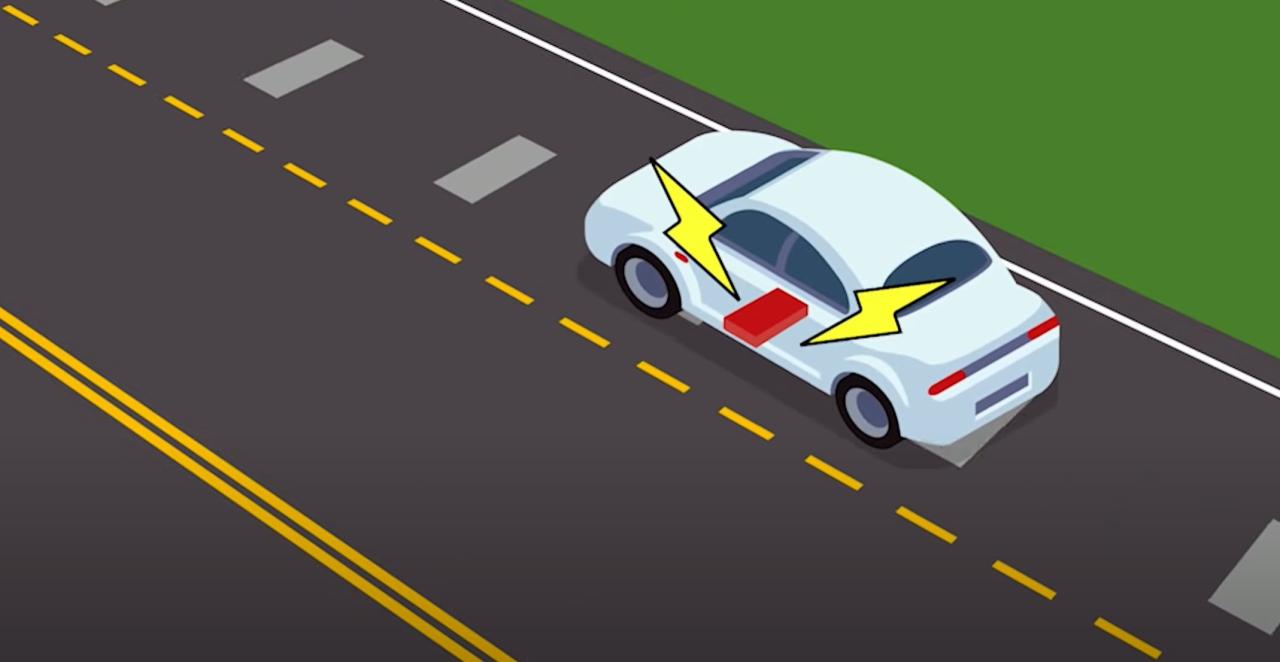
The infrastructure involves embedding specially designed coils or conductive plates beneath the road surface, typically in the lane of travel. These segments are connected to a power grid and managed by a sophisticated control system. On the underside of the EV, a complementary receiver coil is installed. When the vehicle drives over an activated charging segment, the road-based coils generate an oscillating magnetic field. This field induces an alternating current in the vehicle’s receiver coil, which is then converted to direct current by the car’s onboard power electronics to charge the traction battery. Crucially, this transfer occurs across an air gap, with no physical contact or moving parts.
This technology diverges from static wireless charging (like a charging pad in a parking spot) by focusing on energy transfer during motion. It creates a continuous “charge-as-you-drive” experience, effectively transforming stretches of highway into linear power sources.
A Detailed Breakdown of System Components and Operation
To fully appreciate the complexity and brilliance of smart roads, we must dissect the system into its fundamental components:
A. The Roadway Infrastructure:
This is the foundational layer. Engineers embed durable, waterproof electromagnetic coils into shallow trenches cut into the asphalt or concrete. These coils are then sealed under a protective layer of high-strength polymer or advanced concrete that can withstand decades of traffic load, weather extremes, and maintenance. Each charging segment, which could be several meters long, is independently controlled and only activates when a compatible vehicle is directly above it. This on-demand activation is critical for safety and energy efficiency.
B. The Vehicle Subsystem:
The EV must be equipped with a compatible receiver assembly. This includes a pickup coil, often positioned flat on the vehicle’s chassis, and essential power conversion hardware (rectifiers, power factor correction circuits, and regulators). This subsystem must be integrated with the vehicle’s Battery Management System (BMS) to optimally manage the incoming power, deciding whether to direct it to immediate propulsion or to battery storage.
C. The Communication and Control Network:
The true “smart” element lies here. A high-speed, low-latency communication link (using technologies like 5G or dedicated short-range communications) is established between the vehicle and the road. The vehicle identifies itself and transmits data like its position, speed, and power requirements. The road’s control unit uses this data to precisely activate and deactivate charging segments milliseconds before the vehicle arrives and departs. It also handles billing, diagnostics, and grid load management.
D. The Grid Connection and Management:
Smart roads are not isolated; they are intelligent nodes on the larger power grid. They require robust electrical connections, often involving medium-voltage lines. Sophisticated software dynamically manages power draw to avoid local grid overload, potentially integrating with renewable energy sources like solar canopies over the highway or nearby wind farms to create a sustainable charging ecosystem.
The Multifaceted Advantages: Beyond Convenience
The implementation of smart roads extends benefits far beyond simply keeping a battery topped up. The advantages are systemic and transformative.
A. Virtual Elimination of Range Anxiety: The most direct impact is psychological and practical. With dynamic charging corridors on major highways, the effective range of an EV becomes nearly infinite for long-distance travel. Drivers would no longer need to plan trips around charging stops, making EVs functionally equivalent to gasoline vehicles for intercity travel.
B. Reduction in Battery Size and Cost: Currently, EV batteries are large and expensive to provide sufficient range. With a reliable in-road power source, future EVs could be designed with smaller, lighter, and more affordable batteries. This would significantly lower the upfront purchase price of EVs, accelerating adoption. The environmental burden of mining rare materials for massive batteries would also be lessened.
C. Enhanced Traffic Flow and Safety: By providing continuous power, smart roads could enable more efficient traffic management. Trucks and buses could maintain steady speeds on inclines without performance lag. Furthermore, if integrated with autonomous vehicle systems, smart roads could provide constant power and data, creating a more stable and predictable environment for self-driving cars.
D. Optimization of Renewable Energy Use: These roads can act as a massive, flexible load for the electrical grid. They can be programmed to draw more power when renewable generation (solar, wind) is high and scale down during peak demand or low generation periods. This helps balance the grid and maximize the use of clean energy.
E. Uninterrupted Logistics and Commerce: For the freight industry, dynamic charging is a game-changer. Electric heavy-duty trucks, which currently face major hurdles due to immense battery weight and long charging times, could operate 24/7. This would decarbonize a critical and polluting sector of transportation.
Navigating the Roadblocks: Challenges and Considerations
Despite its promise, the path to ubiquitous smart highways is paved with significant hurdles that must be addressed.
A. Astronomical Initial Capital Investment: The cost of retrofitting existing highways or building new ones with embedded coils and electronics is immense. It involves not just the technology, but also extensive roadworks, traffic disruption, and upgraded grid connections. Public-private partnerships and new funding models will be essential.
B. Standardization and Interoperability: A global or at least regional standard is paramount. All vehicles must communicate with all roads in the same secure language. A lack of standardization could lead to fragmented, incompatible systems that stifle innovation and adoption.
C. Long-Term Durability and Maintenance: Road surfaces are subjected to extreme stress, weather, and corrosion. The embedded system must have a lifespan measured in decades with minimal maintenance. Repairing a faulty coil could mean disruptive lane closures, requiring innovative modular designs.
D. Safety Concerns and Public Perception: The public will rightly question the safety of driving over powerful electromagnetic fields. While research indicates that properly shielded systems pose no risk to drivers, passengers, or pacemaker users, transparent communication and rigorous, independent testing are required to build trust.
E. Grid Capacity and Energy Source: Widespread deployment would increase electricity demand. This necessitates not just more generation, but a smarter, more resilient grid. The environmental benefit is only realized if the additional power comes from low-carbon sources.
The Road Ahead: A Phased and Strategic Implementation
Given the scale, a nationwide rollout won’t happen overnight. A strategic, phased approach is likely:
Phase 1: Dedicated Fleets on Closed Loops. Testing and initial deployment will focus on controlled environments—bus depots with defined routes, taxi ranks at airports, or mining operations with private roads. This allows for real-world data collection and system refinement.
Phase 2: Commercial Corridors and HOV Lanes. The first public applications will be on high-value stretches of road: specific highway lanes for trucks and buses, urban bus stops, or long bridges and tunnels where stopping is impractical. This targets high-utilization vehicles to maximize economic and environmental return.
Phase 3: National Highway Network Integration. As costs fall and technology proves itself, deployment would expand to key interstate and national highway networks, creating a skeleton of electrified roadways that connect major cities and logistics hubs.
Phase 4: Urban Integration and Full Ubiquity. The final phase would see technology miniaturization and cost reduction enabling integration into urban streets, traffic lights, and parking spots, creating a seamless charging web.
Conclusion: A Pivotal Junction for Sustainable Transport
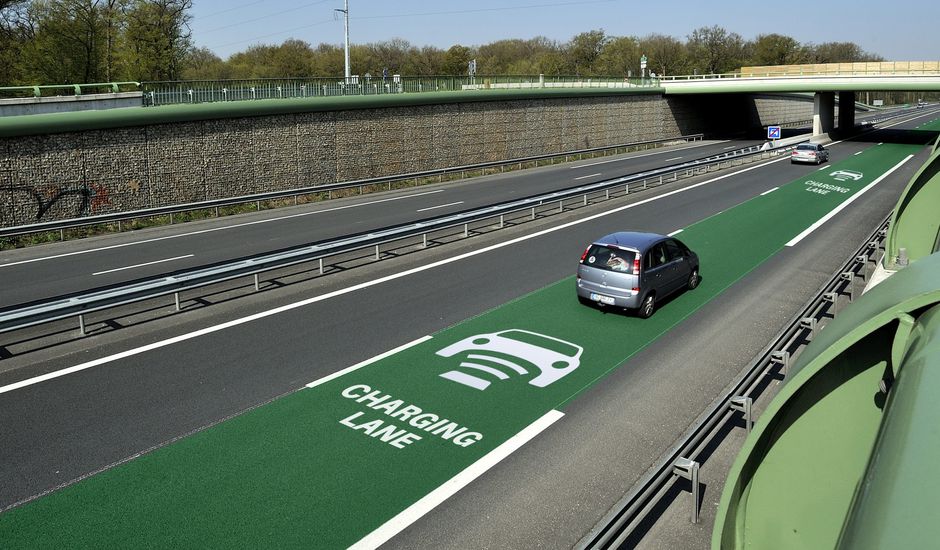
Smart roads represent more than an incremental upgrade; they are a foundational shift towards a truly seamless and sustainable transport ecosystem. They address the most critical pain points of electric mobility range, cost, and convenience while offering cascading benefits for grid stability, freight decarbonization, and autonomous driving. While the financial, technical, and logistical challenges are formidable, the collective payoff in energy security, environmental health, and economic efficiency is monumental. The journey from internal combustion to electric propulsion is not just about changing the vehicle; it’s about reimagining the very infrastructure that supports it. Smart highways are the logical, albeit ambitious, next step on that journey, promising a future where the road itself becomes a partner in powering our progress, kilometer by electrified kilometer.