
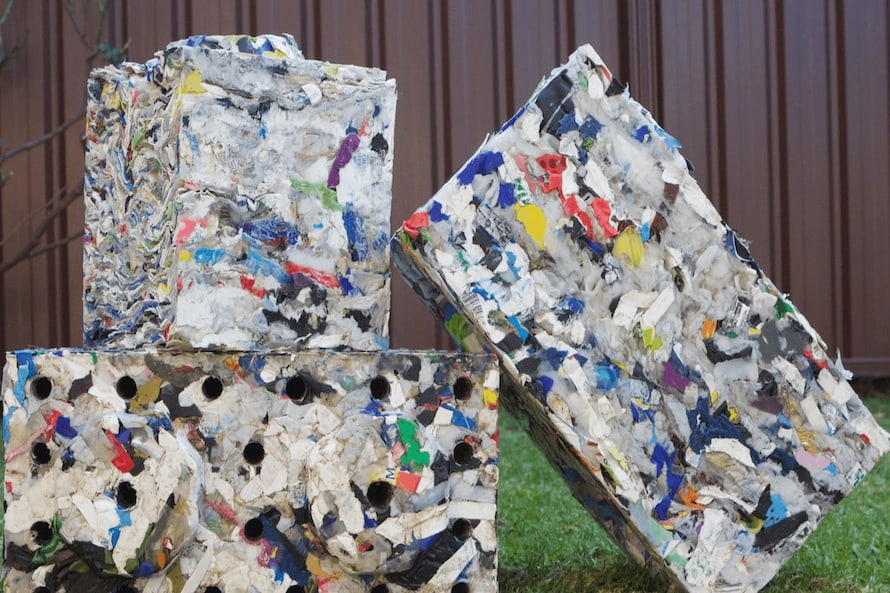
The global plastic pollution crisis has reached alarming proportions, with millions of tons of plastic waste inundating landfills, oceans, and ecosystems annually. Simultaneously, the construction industry, a cornerstone of global development, faces immense pressure to reduce its environmental footprint, characterized by high carbon emissions and resource depletion. This convergence of two monumental challenges has sparked a revolutionary innovation: the conversion of waste plastic into durable, functional, and sustainable building materials. This paradigm shift not only offers a tangible solution to plastic pollution but also paves the way for a more circular economy in construction. This comprehensive article delves deep into the processes, benefits, types, and future prospects of plastic-based building materials, illustrating how discarded bottles, bags, and packaging are being reborn as the bricks, beams, and boards of tomorrow.
The Urgent Need: A Dual-Pronged Environmental Crisis
To fully appreciate this innovation, one must understand the scale of the problems it addresses.
A. The Plastic Pandemic: Current estimates suggest that over 400 million tons of plastic are produced each year, with a staggering proportion becoming single-use waste. Traditional recycling rates remain dismally low globally. Most plastic ends up in landfills, where it can take centuries to decompose, or worse, leaks into natural environments, breaking down into microplastics that infiltrate food chains and water sources.
B. The Construction Conundrum: The building sector is responsible for approximately 39% of global carbon dioxide emissions. It is also the largest consumer of raw materials, including sand, gravel, and timber, leading to habitat destruction and resource scarcity. There is an urgent, industry-wide demand for alternative materials that are lower in embodied energy, reduce waste, and promote sustainability without compromising structural integrity.
The transformation of plastic waste into construction materials presents a powerful synergy a win-win scenario that mitigates both crises simultaneously.
From Waste to Wealth: The Production Process
The journey from plastic debris to building component involves several key stages, tailored to the type of plastic and the desired end product.
A. Collection and Sorting: The first critical step involves aggregating plastic waste from various streams: municipal collection, ocean cleanup initiatives, and industrial sources. Sorting is often done manually or via automated systems (like near-infrared spectroscopy) to separate polymers (PET, HDPE, PP, etc.) and remove contaminants.
B. Cleaning and Shredding: Sorted plastic is thoroughly cleaned to remove labels, adhesives, and organic residue. It is then fed into shredders and granulators, reducing it into small, uniform flakes or pellets. This increases the material’s surface area and prepares it for melting.
C. Composition and Additive Integration: Pure plastic flakes may be blended to achieve specific properties. Crucially, additives are incorporated at this stage. These can include:
-
Stabilizers: To enhance UV and thermal resistance, preventing degradation from sunlight.
-
Compatibilizers: To improve the bond between different, otherwise non-mixing, polymer types.
-
Reinforcing Agents: Such as fiberglass, rubber, or natural fibers (like rice husks or sawdust) to improve tensile strength, stiffness, and durability.
-
Flame Retardants: To meet crucial building safety codes and regulations.
D. Processing and Forming: The blended mixture is then heated until molten. The primary manufacturing techniques include:
-
Extrusion: The molten plastic is forced through a die to create continuous profiles, such as beams, planks, or sheets.
-
Injection Molding: Plastic is injected into molds under high pressure to form precise, complex shapes like bricks, interlocking blocks, or fittings.
-
Compression Molding: Heated plastic is pressed into a mold, ideal for creating large, sturdy panels or tiles.
E. Cooling and Finishing: The formed products are cooled, often in a controlled manner to prevent warping. They may then be cut to specific dimensions, textured for grip, or coated for additional protection and aesthetics.
A Catalog of Innovation: Types of Plastic-Based Building Materials
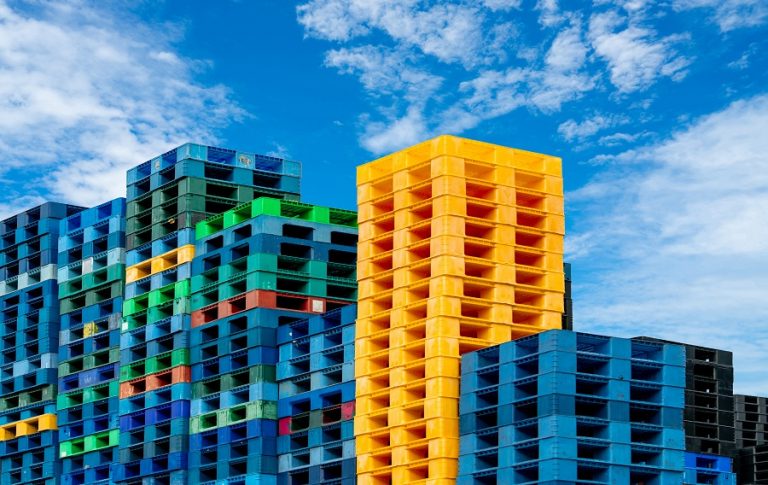
The versatility of plastic waste has led to a diverse array of construction products, each with unique applications.
A. Plastic Lumber and Decking: Perhaps the most recognizable product, often made from HDPE (like milk jugs). It is used for outdoor decking, fencing, park benches, and boardwalks. It is rot-proof, insect-resistant, and requires no painting or sealing.
B. Bricks and Construction Blocks: Companies like ByFusion and Gjenge Makers produce bricks and pavers by compressing mixed plastic waste. These blocks often interlock without mortar, speeding up construction. They provide excellent thermal and acoustic insulation.
C. Roofing Tiles: Lightweight, durable, and often made from a blend of post-consumer and post-industrial plastics. They mimic traditional materials like clay or slate but are more impact-resistant and have a significantly longer lifespan.
D. Concrete Reinforcement: Plastic fibers, either micro or macro, are added to concrete mixes to improve tensile strength, reduce cracking, and enhance durability. This partially replaces steel mesh in certain applications.
E. Insulation Materials: Foamed plastics, such as expanded polystyrene (EPS), can be recycled into rigid insulation boards. Other innovations include non-woven mats made from plastic fibers for thermal and acoustic wall insulation.
F. Structural Panels and Sheets: Composite panels made from plastic matrix and reinforcing fibers are used for wall cladding, partitions, and even as structural components in low-load bearing walls.
G. Roads and Pavements: The groundbreaking “Plastic Roads” concept, pioneered in India, involves mixing shredded plastic with hot bitumen for road surfacing. This enhances the road’s water resistance, durability, and flexibility, while repurposing vast quantities of plastic.
Compelling Advantages: Why Choose Plastic-Based Construction?
The adoption of these materials is driven by a multitude of environmental, economic, and practical benefits.
A. Environmental Benefits:
-
Waste Diversion: Directly reduces the volume of plastic destined for landfills and oceans.
-
Resource Conservation: Preserves natural resources like timber, sand, and stone, reducing mining and deforestation.
-
Lower Carbon Footprint: Production generally requires less energy and emits fewer greenhouse gases compared to traditional materials like concrete, steel, or fired clay.
-
Promotion of Circular Economy: Closes the loop, turning waste into a valuable resource and reducing dependency on virgin materials.
B. Economic and Social Benefits:
-
Cost-Effectiveness: Raw material (plastic waste) is often abundant and low-cost. In regions with poor waste management, it can create a new revenue stream for waste pickers.
-
Job Creation: Establishes new industries in collection, sorting, processing, and manufacturing.
-
Affordable Housing Potential: Lightweight, insulating, and low-cost materials can significantly reduce the expense of building homes, addressing housing shortages.
C. Performance and Practical Benefits:
-
Durability and Longevity: Highly resistant to moisture, corrosion, rot, and insect damage. Does not splinter or crack like wood.
-
Low Maintenance: Does not require painting, sealing, or chemical treatment.
-
Lightweight: Eases transportation and on-site handling, potentially reducing construction time and labor costs.
-
Thermal and Acoustic Insulation: Plastic composites often have excellent insulating properties, improving building energy efficiency and comfort.
-
Design Flexibility: Can be molded into a variety of shapes, colors, and textures, offering architects creative freedom.
Addressing Challenges and Considerations
Despite its promise, the widespread adoption of plastic building materials faces hurdles that must be thoughtfully navigated.
A. Structural Limitations and Standards: For primary load-bearing structures, plastic composites currently lack the strength and stiffness of steel or reinforced concrete. Robust building codes and standards specifically for these new materials are still under development in many countries.
B. Long-Term Behavior and Fire Safety: Comprehensive long-term data (50+ years) on performance under continuous load and environmental stress is still being gathered. While additives improve fire resistance, the inherent combustibility of plastics remains a critical concern that must be addressed through strict compliance with fire safety regulations.
C. Potential for Toxicity and Off-Gassing: Some plastics may contain or release harmful additives (e.g., phthalates, BPA). Ensuring non-toxic formulations and monitoring indoor air quality in buildings using these materials is essential.
D. Recycling the Recycled: The end-of-life phase for plastic-based buildings poses a question: can these composite materials be recycled again? Designing for future recyclability (design for disassembly) is a key research focus to prevent a new form of waste generation.
E. Perception and Market Acceptance: Overcoming skepticism from builders, regulators, and the public regarding the strength, safety, and aesthetics of “plastic houses” requires successful demonstration projects and transparent education.
The Horizon: Future Trends and Innovations
The field is rapidly evolving, driven by research and entrepreneurial spirit.
A. Advanced Polymer Blends and Nanocomposites: Integration of nanomaterials (like graphene or carbon nanotubes) could dramatically enhance mechanical strength, thermal stability, and smart properties (e.g., self-healing).
B. 3D Printing of Structures: Large-scale additive manufacturing (contour crafting) using plastic waste filaments is being explored to print entire wall sections or even small homes on-site, with minimal waste and complex geometries.
C. Integration with Other Waste Streams: Hybrid materials combining plastic with agricultural waste (bagasse, coconut shells), industrial by-products (fly ash), or even textile waste are creating new composite materials with unique properties.
D. Chemical Recycling for Purer Feeds: Advanced chemical recycling processes, which break plastics down to their molecular monomers, could provide higher-quality feedstock for producing engineering-grade polymers suitable for demanding construction applications.
Conclusion
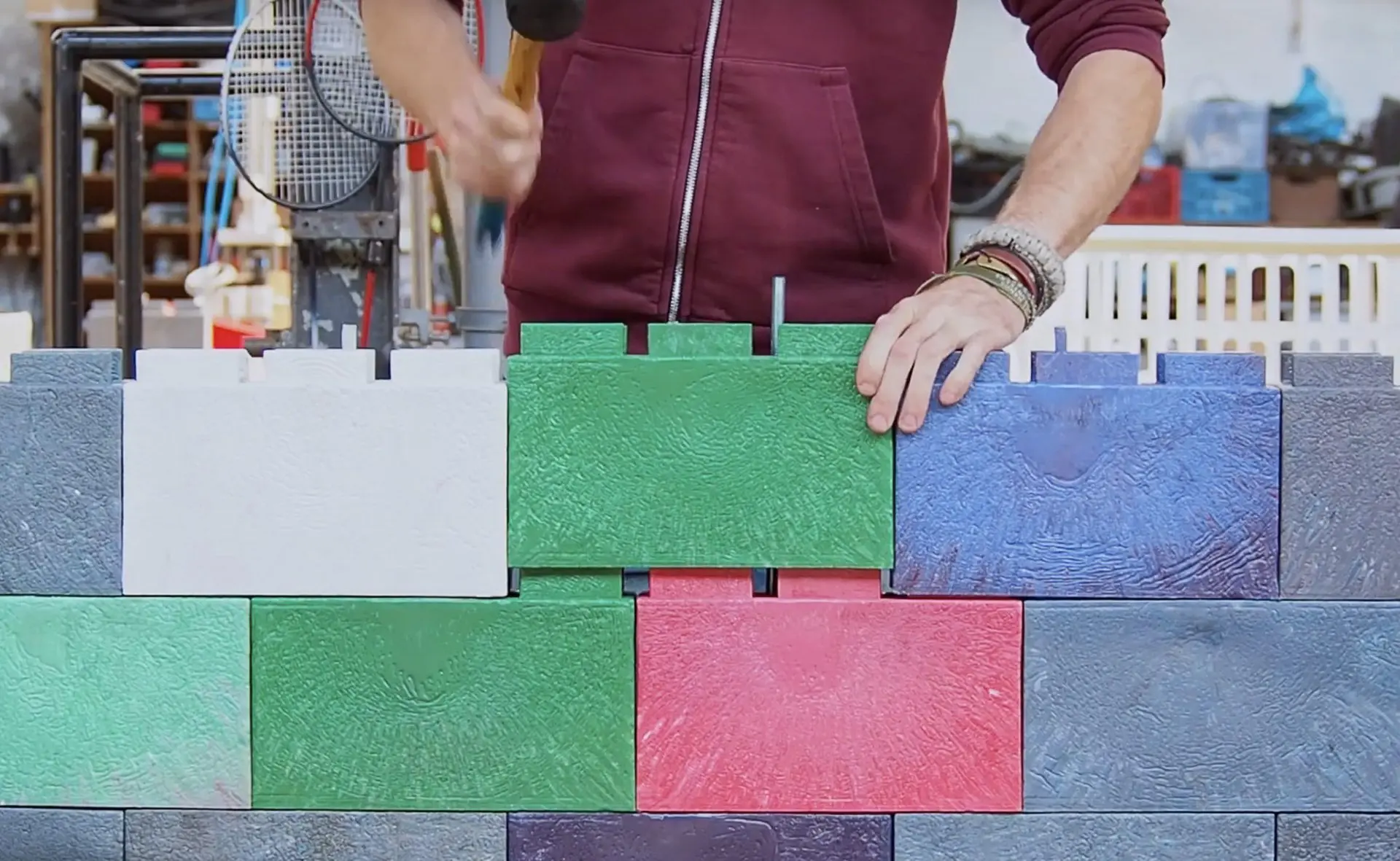
The transformation of waste plastic into building material is far more than a clever recycling trick; it is a profound reimagining of waste as a resource and a fundamental step towards sustainable industrial ecology. It embodies the principles of a circular economy, where waste streams become input streams, and linear “take-make-dispose” models are rendered obsolete. While technical and regulatory challenges persist, the momentum behind this innovation is undeniable. By continuing to invest in research, establishing clear standards, and fostering market acceptance, we can build a future where our shelters are literally forged from the remnants of our consumption creating durable, affordable, and eco-friendly structures that stand as testaments to human ingenuity and environmental responsibility. The buildings of tomorrow may not just be built for us, but built from the very waste we leave behind, closing the loop in the most constructive way possible.