
In an era defined by unprecedented urban migration, the challenge of sustainably feeding the world’s burgeoning megacities has become one of the most critical issues of the 21st century. By 2050, it is projected that nearly 70% of the global population will reside in urban areas, many in megacities exceeding 10 million inhabitants. Traditional, horizontal agriculture, often located thousands of miles from these urban centers, is buckling under the strain. It grapples with land degradation, immense water consumption, unpredictable weather due to climate change, and a sprawling, carbon-intensive supply chain that compromises food freshness and safety.
This looming crisis has catalyzed a radical reimagining of food production: moving it indoors, upwards, and directly into the heart of our cities. Vertical farming represents a seismic shift from soil-based, sun-dependent agriculture to a technology-driven, closed-loop ecosystem. This comprehensive exploration delves into the mechanisms, multifaceted benefits, complex challenges, and future trajectory of vertical farming, illustrating why it is no longer a futuristic concept but a pragmatic necessity for feeding our dense urban futures.
I. Core Methodologies and Technological Pillars of Vertical Farming
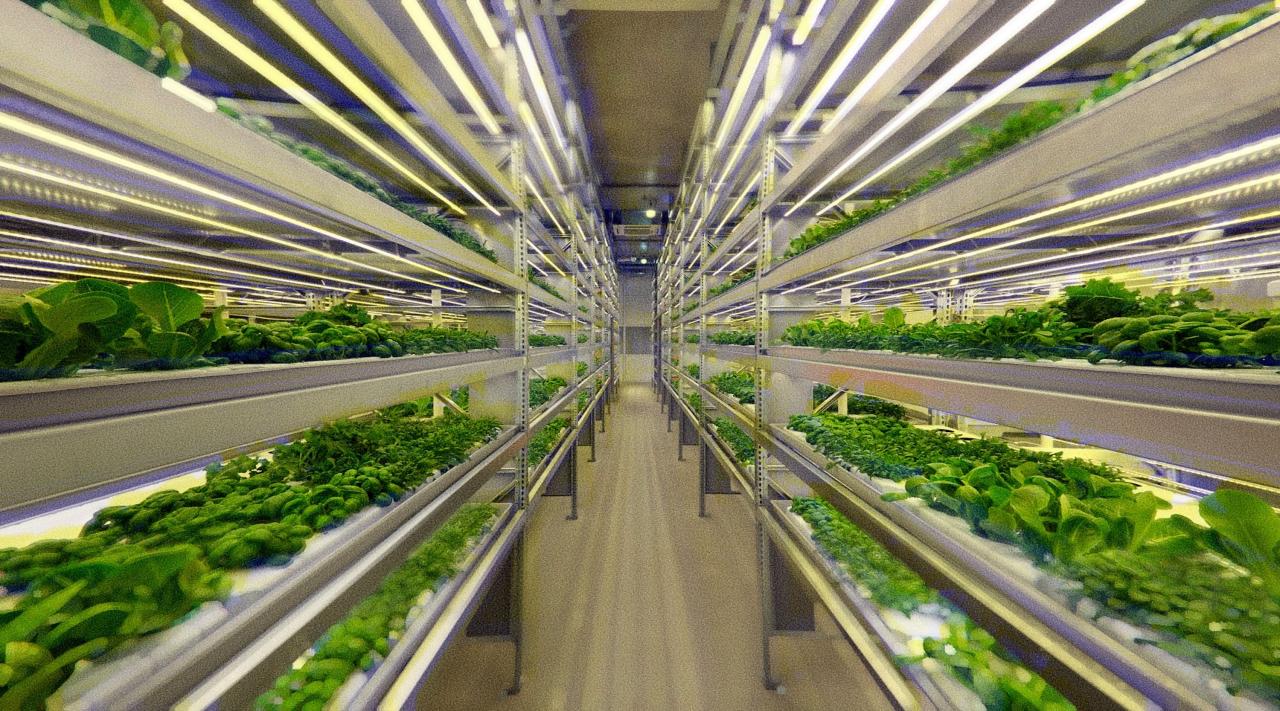
Vertical farming is not a monolithic concept but a suite of integrated agricultural technologies. Its most common form is indoor vertical farming using Controlled Environment Agriculture (CEA) technology, primarily implemented through two dominant methods:
A. Hydroponics
This soilless method grows plants in a mineral-rich nutrient solution, with roots suspended directly in the liquid or anchored in an inert medium like rockwool or clay pellets. Hydroponics allows for precise control over nutrient delivery, leading to faster growth rates and higher yields compared to soil. It is exceptionally water-efficient, using up to 90% less water by recirculating the solution in a closed system.
B. Aeroponics
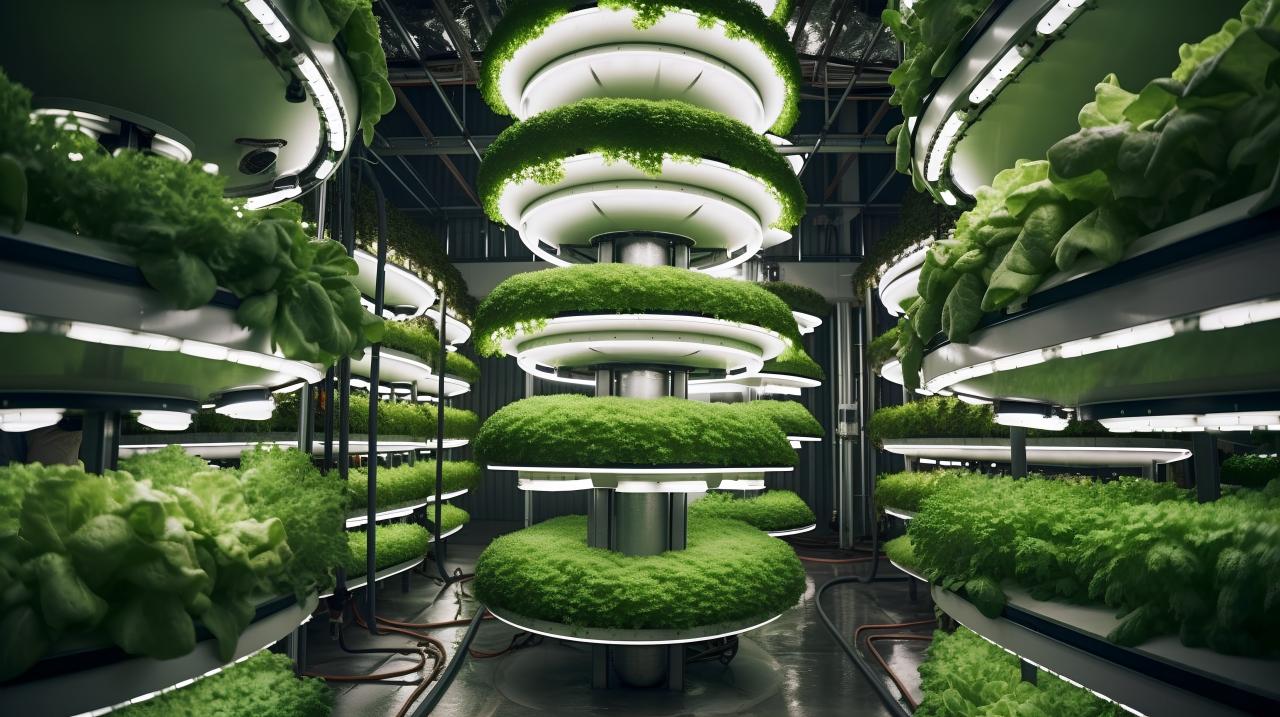
An even more advanced and efficient method, aeroponics suspends plant roots in the air within a sealed chamber. A fine mist, laden with nutrients and oxygen, is periodically sprayed directly onto the roots. This maximizes oxygen exposure, which supercharges metabolic processes, resulting in growth rates that can be 30% faster than hydroponics. It is the most water-conserving method, using a fraction of the water required by traditional farming.
These growing methods are enabled by several interconnected technological pillars:
C. Artificial Intelligence (AI) and Internet of Things (IoT) Integration
Modern vertical farms are essentially data centers for plants. A network of sensors constantly monitors thousands of data points: temperature, humidity, pH, nutrient concentration, CO2 levels, and plant physiology. AI algorithms analyze this data in real-time, making micro-adjustments to the environment to optimize growth, predict yields, and even detect early signs of plant stress or disease, enabling preemptive intervention.
D. Precision LED Lighting
Specialized LED lights have replaced the sun as the primary energy source. These lights emit specific wavelengths of light (primarily red and blue spectra) tuned to different growth stages of each crop. This “light recipe” can be programmed to accelerate photosynthesis, enhance flavor, increase nutrient density, or even manipulate plant size and shape, all while being far more energy-efficient than earlier lighting technologies.
E. Automated Robotics and Data Analytics
From automated seeding and transplanting to robotic harvesting and packaging, automation reduces labor costs, increases operational speed, and ensures hygienic handling. These robotic systems are guided by the farm’s data analytics platform, which tracks every plant from seed to sale, creating a blockchain-like ledger of food production that guarantees traceability, quality, and safety.
II. The Multifaceted Advantages for Megacities
The benefits of integrating vertical farms into the urban fabric extend far beyond simple food production, addressing systemic urban challenges.
A. Unprecedented Year-Round Food Security and Localization
Vertical farms decouple food production from seasons and climate. They enable the reliable cultivation of leafy greens, herbs, strawberries, and even some vine crops 365 days a year, irrespective of external droughts, floods, or frosts. By situating production within or on the periphery of the city, “food miles” are reduced from thousands to mere tens. This localization creates a resilient buffer against supply chain disruptions, as evidenced during global crises like the COVID-19 pandemic, ensuring a constant, fresh supply of produce.
B. Extraordinary Resource Conservation
The closed-loop systems of vertical farming represent a paradigm of circular economy. Water usage is minimized and recycled continuously. Land footprint is reduced by over 95% per unit of produce compared to conventional farming, freeing up arable land for rewilding or other sustainable uses. Pesticides and herbicides are rendered obsolete in the sterile indoor environment, eliminating agricultural runoff a major source of water pollution.
C. Enhanced Nutritional Quality and Food Safety
Produce can be harvested at peak ripeness and delivered to consumers within hours, not days or weeks. This drastically improves taste, texture, and crucially, nutrient retention (vitamins and antioxidants often degrade during long transport). The controlled, sterile environment, free from animal-borne pathogens and contaminants, virtually eliminates the risk of foodborne illnesses like E. coli or Salmonella, offering a level of safety that is difficult to achieve in open-field farming.
D. Urban Revitalization and Economic Diversification
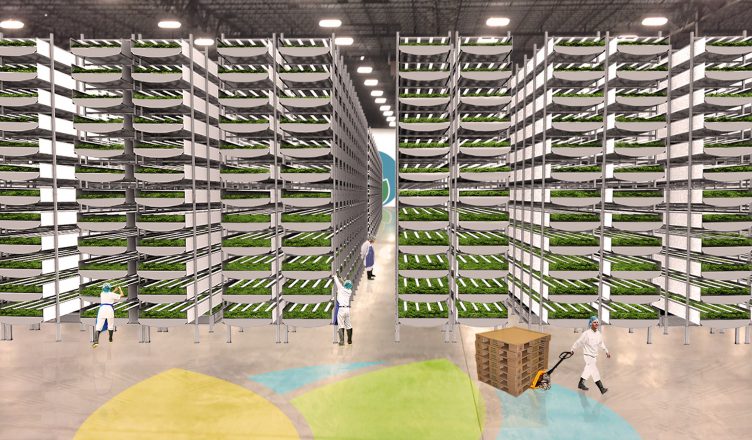
Vertical farms can be established in underutilized urban spaces: abandoned warehouses, shipping containers, vacant lots, or even underground shelters. This repurposing revitalizes neglected areas and creates new, high-tech “green-collar” jobs in engineering, robotics, data science, and plant biology. It fosters a new, localized economic sector focused on food tech innovation and production.
III. Navigating Significant Challenges and Limitations
Despite its promise, vertical farming faces hurdles that must be overcome for widespread adoption.
A. High Initial Capital and Operational Energy Costs
The construction of a high-tech vertical farm with its intricate systems requires substantial upfront investment. The single largest ongoing operational expense is energy, primarily for powering LED lights and climate control systems. While renewable energy integration (solar, wind) is the ultimate solution, the current carbon footprint of a farm powered by a fossil-fuel grid remains a valid concern, making energy efficiency a top research priority.
B. Crop Limitation and Economic Viability
Currently, the economic model is most viable for high-value, fast-growing, and compact crops like leafy greens, microgreens, herbs, and medicinal plants. Staple calorie crops like wheat, rice, and corn which are essential for global food security are not economically feasible to grow in vertical farms due to their space, light, and energy requirements. Thus, vertical farming is a complement to, not a replacement for, traditional agriculture in feeding the world.
C. Technical Complexity and Skilled Labor Shortage
Operating a vertical farm is more akin to running a biotechnology facility than a traditional farm. It requires a specialized workforce skilled in horticulture, engineering, software programming, and system maintenance. The current shortage of such multidisciplinary talent can hinder the scaling and efficient operation of these facilities.
IV. The Evolving Landscape: Innovations Shaping the Future
The industry is rapidly evolving to address its limitations and expand its capabilities.
A. Integration with Renewable Energy and Waste Systems
The future lies in symbiosis. Farms are increasingly being designed as part of urban energy ecosystems powered by rooftop solar panels or adjacent solar farms, using waste heat from buildings, and even converting urban food waste into compost or biogas. This moves farms towards net-zero energy operations.
B. Genetic Optimization and Crop Expansion
Plant science is catching up with the technology. Researchers are developing plant varieties specifically optimized for vertical farming environments varieties that may have faster growth cycles, higher nutritional profiles, or require less light. Experiments are also underway to grow a broader range of produce, including dwarf varieties of tomatoes, peppers, and root vegetables.
C. Architectural Integration and Urban Planning
The concept of “agritecture” is gaining traction, where food production is seamlessly woven into the built environment. This includes vertical farms integrated into the facades of residential towers, office buildings, and schools, as well as large-scale, automated “plant factories” on the urban periphery that serve entire metropolitan regions. Urban planners are beginning to incorporate food production zones as critical infrastructure, akin to water and power.
Conclusion: A Cornerstone of Urban Resilience
Vertical farming is not a silver bullet that will solve global hunger in isolation. Rather, it is a transformative and indispensable component of a diversified, resilient, and sustainable food system for the 21st century. By bringing food production closer to the point of consumption, it offers megacities a powerful tool to combat food deserts, reduce environmental impact, enhance nutritional security, and build economic resilience.
As technology advances and scales, the costs will decrease, efficiencies will improve, and the range of viable crops will expand. The cities that invest in and embrace this technological revolution today will be the ones best prepared to feed their populations tomorrow freshly, safely, and sustainably. The future of urban living is not just in smart cities, but in nourishing cities, and vertical farming is poised to be at the very heart of that nourishing transformation.