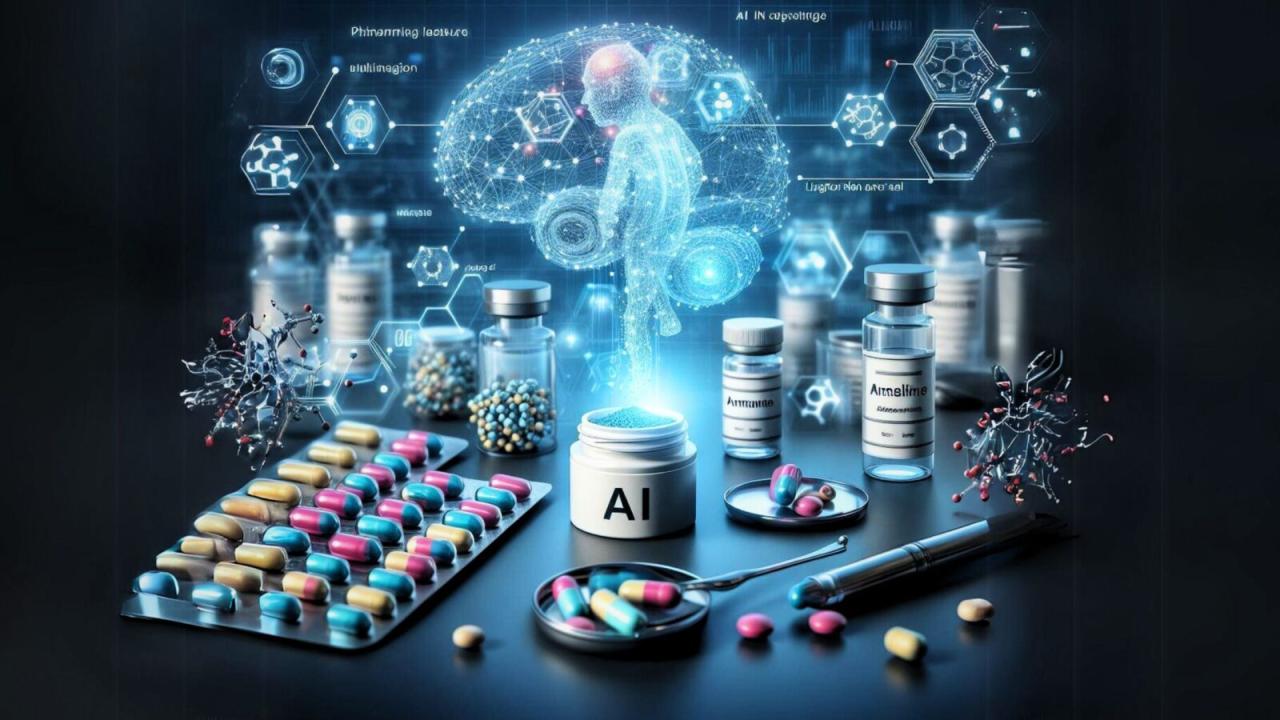
The pharmaceutical industry stands on the precipice of a transformative era, one not driven solely by human intuition and laborious trial-and-error, but by the profound computational intelligence of Artificial Intelligence (AI). The convergence of big data, advanced algorithms, and unprecedented processing power is catalyzing a paradigm shift, enabling the design and development of next-generation pharmaceuticals with remarkable speed, precision, and efficacy. This revolution promises to address some of the most persistent challenges in medicine, from undruggable targets to personalized therapies, fundamentally reshaping how we discover, design, and deliver life-saving treatments.
For decades, the traditional drug discovery pipeline has been a monumentally expensive, time-consuming, and high-risk endeavor. On average, bringing a single new drug to market requires over a decade and capital exceeding $2.5 billion, with a staggering failure rate of nearly 90% during clinical trials. This inefficiency stems from the immense complexity of biological systems. The process often begins with identifying a biological target like a protein implicated in a disease followed by screening millions of potential compounds for activity, optimizing lead candidates, and navigating the treacherous waters of preclinical and clinical testing. Each stage is a bottleneck, fraught with the potential for unforeseen toxicities, inadequate efficacy, or poor pharmacokinetics.
This is where AI emerges as a game-changing force. By leveraging machine learning (ML), deep learning (DL), and other branches of AI, researchers can now navigate the vast chemical and biological universe with a sophistication previously unimaginable. AI systems are not merely tools for automation; they are partners in innovation, capable of uncovering patterns, predicting outcomes, and generating novel hypotheses beyond human cognitive limits.
The integration of AI spans the entire pharmaceutical value chain, with its most groundbreaking impact felt in the early discovery and design phases:
A. Target Identification and Validation
The initial step of pinpointing a viable biological target is critical. AI algorithms, particularly those adept at natural language processing (NLP), can ingest and synthesize information from a colossal corpus of unstructured data. This includes scientific literature, genomic databases, clinical trial records, electronic health records, and even patient forums. By analyzing this data holistically, AI can identify novel disease-associated genes, proteins, and pathways, and more importantly predict which targets are most “druggable” and have a high probability of success, thereby de-risking the pipeline from the very start.
B. Drug Design and Molecular Generation
This is perhaps the most awe-inspiring application. Instead of physically screening vast compound libraries, AI-powered generative models can in silico design entirely new drug-like molecules from scratch. Techniques like Generative Adversarial Networks (GANs) and Reinforcement Learning are trained on known molecular structures, their properties, and bioactivity data. They learn the complex rules of chemistry and biology, enabling them to propose novel molecular entities optimized for specific criteria: high binding affinity to the target, minimal side effects (selectivity), and optimal drug-like properties (Lipinski’s Rule of Five). This approach, known as de novo design, exponentially expands the explorable chemical space.
C. Predicting Drug-Target Interactions and Efficacy

Understanding how a potential drug interacts with its intended target and the broader biological network is paramount. AI models, especially deep learning architectures like convolutional neural networks (CNNs) and graph neural networks (GNNs), can predict with high accuracy how strongly a compound will bind to a protein (binding affinity). They can model the intricate 3D interactions at the atomic level, something that is computationally prohibitive through traditional simulation alone. This allows for the rapid virtual screening of billions of compounds, prioritizing only the most promising candidates for synthesis and testing.
D. Optimization of Pharmacokinetics and Toxicity
A molecule that works perfectly in a petri dish can fail in the body due to poor absorption, distribution, metabolism, excretion, or toxicity (ADMET). AI models trained on historical ADMET data can predict these properties early in the design process. Researchers can use this feedback to iteratively refine and optimize molecules before they are ever synthesized, ensuring they have a higher likelihood of being safe and effective in humans. This significantly reduces late-stage attrition, the most costly form of failure.
E. Repurposing Existing Drugs
AI offers a powerful shortcut by identifying new therapeutic uses for existing, approved drugs a process known as drug repurposing. By analyzing vast datasets of drug effects, disease pathways, and real-world patient data, AI can uncover hidden connections. For instance, a drug developed for hypertension might show a predicted efficacy for Alzheimer’s disease. This strategy can slash years off development timelines, as the safety profile of the repurposed drug is already established.
The ultimate promise of AI in pharma extends beyond faster discovery to the frontier of hyper-personalized medicine. By integrating a patient’s multi-omics data (genomics, proteomics, metabolomics) with AI, it becomes possible to design therapies tailored to an individual’s unique genetic makeup and disease phenotype. This approach is particularly potent in oncology, where AI can help design personalized cancer vaccines or identify combination therapies most effective for a specific patient’s tumor profile, moving away from the “one-size-fits-all” model.
Despite its immense potential, the AI-driven pharmaceutical revolution is not without significant challenges and ethical considerations. The quality of AI predictions is intrinsically linked to the quality, quantity, and bias of the training data. Biased data can lead to biased algorithms, potentially exacerbating health disparities. The “black box” nature of some complex AI models can make it difficult to understand the rationale behind a proposed molecule, raising questions about interpretability and regulatory acceptance. Intellectual property rights for AI-generated inventions also present novel legal quandaries. Furthermore, the validation of AI-discovered drugs through rigorous, traditional clinical trials remains an absolute necessity, requiring a new collaborative framework between data scientists, biologists, and clinicians.
The regulatory landscape, led by agencies like the U.S. FDA and the European EMA, is evolving to accommodate this shift. They are developing frameworks for evaluating AI/ML-based software as a medical device (SaMD) and considering protocols for the review of drugs discovered through advanced computational methods. This adaptive regulation is crucial for fostering innovation while ensuring patient safety.
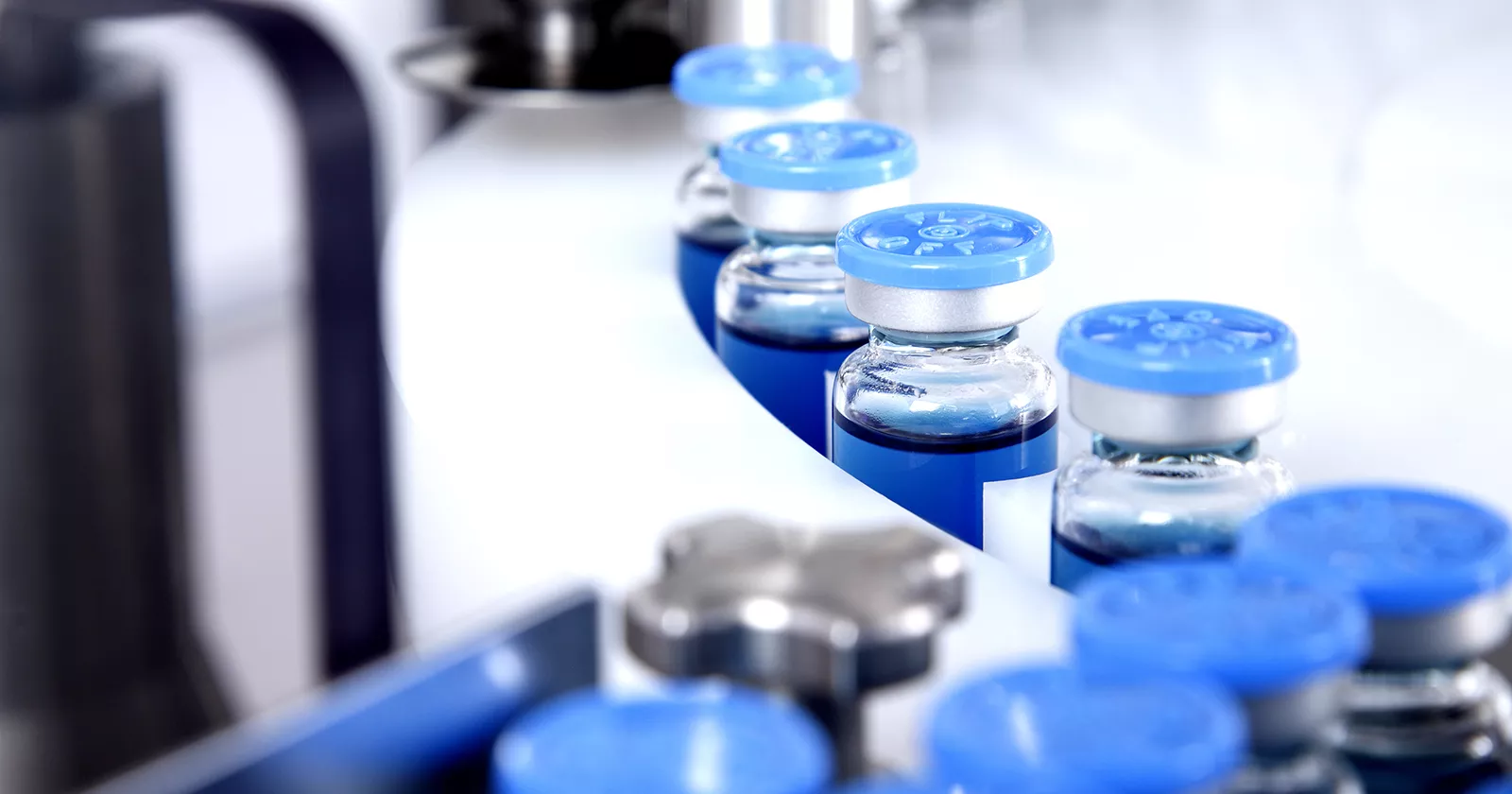
Looking ahead, the synergy between AI and other cutting-edge technologies will further accelerate progress. The combination of AI with quantum computing could solve molecular modeling problems of unfathomable complexity. Integrating AI with robotic lab automation creates “self-driving labs” that can physically synthesize and test AI-designed compounds in a closed loop, dramatically accelerating the design-make-test-analyze cycle. As these technologies mature, we can anticipate the rise of more preventative and precise therapeutics, potentially transforming acute and chronic disease management.
In conclusion, AI is not merely an adjunct tool but the cornerstone of next-generation pharmaceutical design. It is dismantling the traditional barriers of cost, time, and high failure rates, ushering in an era of accelerated, intelligent, and patient-centric drug discovery. From designing novel molecules against once “undruggable” targets to crafting bespoke therapies for individual patients, AI’s role is fundamentally expanding the frontiers of what is medically possible. While challenges in data ethics, transparency, and integration persist, the trajectory is clear. The future of medicine is being written in code and algorithms, promising a healthier, more personalized tomorrow for all of humanity. The pharmaceutical industry, empowered by AI, is poised to deliver on that promise with unprecedented speed and scale.