

The intersection of textile engineering and digital technology has birthed a revolutionary sector in healthcare and personal wellness: smart clothing. Unlike traditional wearables like wristbands or watches, smart clothing represents a seamless integration of biometric sensors directly into the very fibers of our garments. This innovation promises a paradigm shift from reactive to proactive and preventive healthcare, offering continuous, non-invasive monitoring of vital signs. As we advance into an era of personalized medicine, the development of intelligent fabrics that track physiological data is not merely a trend but a fundamental transformation in how we understand and manage our health. This article delves deep into the mechanisms, applications, benefits, and future trajectory of smart clothing designed for comprehensive vital sign surveillance.
A. The Foundational Technology: How Smart Clothing Works
At its core, smart clothing operates on a sophisticated synergy of advanced textiles, miniaturized electronics, and sophisticated software. The magic lies in the conductive materials and sensor integration.
A. Conductive Materials and e-Textiles: The foundation is the fabric itself. Engineers have developed textiles embedded with conductive threads made from silver, copper, graphene, or conductive polymers. These threads can be woven, knitted, or embroidered into standard fabrics like cotton or polyester, creating circuits that transmit electrical signals without compromising comfort or washability.
B. Biometric Sensor Integration: These conductive pathways connect to ultra-small, flexible sensor modules strategically placed on the garment to correspond with key points on the body. Common sensors include:
-
Electrocardiogram (ECG/ EKG) Sensors: Often integrated into the chest area to measure the heart’s electrical activity, detecting arrhythmias, heart rate, and heart rate variability with clinical-grade accuracy, superior to optical wrist sensors.
-
Photoplethysmography (PPG) Sensors: Typically placed on the wrist, arm, or torso, these use light to detect blood volume changes, monitoring heart rate and blood oxygen saturation (SpO2).
-
Electromyography (EMG) Sensors: Placed near muscle groups to measure electrical activity produced by muscles, useful for athletic training and rehabilitation.
-
Respiratory Sensors: Stretch-sensitive fibers or impedance sensors can measure chest expansion and contraction, providing detailed data on breathing rate, patterns, and depth.
-
Temperature Sensors: Woven throughout, they monitor core body temperature and skin temperature fluctuations.
-
Galvanic Skin Response (GSR) Sensors: Measure minute changes in skin conductance to assess stress levels or emotional arousal.
C. Data Processing and Connectivity: The raw data from sensors is processed by a small, removable “smart module” or “data black box” that houses a microcontroller, battery, and wireless transmitter (Bluetooth, ANT+, or Wi-Fi). This module filters noise, initializes algorithms, and transmits encrypted data to a paired smartphone app or cloud server.
D. Power Solutions: Powering these garments remains a key challenge. Current solutions include small rechargeable batteries in the smart module, energy-harvesting methods (like piezoelectric fibers that generate power from movement), and flexible, washable battery textiles currently in development.
B. Extensive Applications: Beyond Fitness Tracking
While fitness enthusiasts were early adopters, the real potential of smart clothing spans far broader domains.
A. Clinical Healthcare and Remote Patient Monitoring (RPM): This is arguably the most impactful application. For patients with chronic conditions like cardiovascular disease, hypertension, COPD, or diabetes, smart garments enable continuous monitoring outside the hospital. They can alert patients and doctors to dangerous trends (e.g., atrial fibrillation, tachypnea, or fever) in real-time, reducing readmission rates and enabling timely intervention. Post-operative patients can be safely monitored at home, freeing up hospital resources.
B. Professional and Amateur Athletics: For athletes, data is performance gold. Smart shirts and shorts provide insights into muscle exertion (EMG), breathing efficiency, core temperature, and precise heart zone training. This allows for optimized workout regimens, injury prevention by identifying overstrain, and detailed post-recovery analysis.
C. Workplace Safety and Industrial Monitoring: In high-risk environments like construction, firefighting, or mining, smart clothing can monitor workers for signs of heat stroke, extreme fatigue, or falls. It can trigger automatic alerts for hazardous exposure or immobility, potentially saving lives.
D. Military and Defense: The military invests in smart clothing for soldier wellness monitoring. Tracking vital signs, hydration levels, and stress in real-time can help command centers assess troop readiness, prevent casualties from heat illness or exhaustion, and coordinate efforts more effectively.
E. Wellness and Everyday Health: For the general consumer, smart clothing offers a passive, holistic view of health. It tracks sleep quality through nocturnal heart and respiratory rates, manages daily stress via GSR and HRV, and provides a comprehensive picture of one’s physiological state, encouraging preventative lifestyle changes.
C. Tangible Benefits and Advantages Over Traditional Wearables
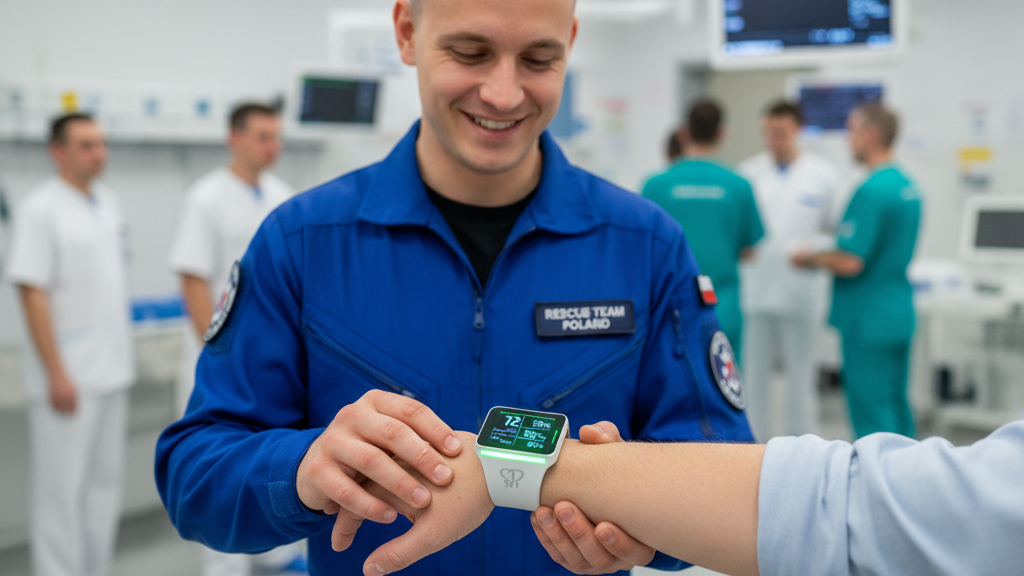
The adoption of smart clothing is driven by clear, superior benefits.
A. Unobtrusive and Continuous Monitoring: The greatest advantage is the ability to gather data 24/7 without any conscious action from the wearer. Unlike a watch that must be worn and charged, clothing is a natural part of daily life, enabling truly continuous data streams.
B. Clinical-Grade Data Accuracy: Sensor placement is crucial. A chest-strap ECG sensor in a shirt provides far more accurate cardiac data than a wrist-based optical sensor, which can suffer from motion artifacts. This positional accuracy makes smart clothing viable for diagnostic purposes.
C. Comfort and User Compliance: Modern smart garments are designed to be indistinguishable from regular clothing—soft, breathable, and washable. High comfort leads to better user compliance, ensuring consistent data collection.
D. Multi-Parameter, Context-Rich Insights: By monitoring several vital signs simultaneously (e.g., heart rate, breathing, and movement), the system can derive richer, context-aware insights. An elevated heart rate during movement is normal, but the same elevation at rest could be significant.
E. Early Detection and Preventive Alerts: The continuous data flow establishes a personalized baseline for the wearer. Algorithms can then detect subtle, early deviations from this baseline that might indicate the onset of illness or a health event, enabling prevention rather than later-stage treatment.
D. Navigating the Challenges and Considerations
Despite its promise, the smart clothing industry must overcome significant hurdles for mass adoption.
A. Durability and Washability: The primary consumer concern is whether these garments can survive the rigors of daily life, especially machine washing. Current solutions involve removable electronics and robust encapsulation of conductive threads, but long-term durability remains under constant R&D.
B. Data Privacy and Security: These garments generate highly intimate, continuous health data. Robust encryption for data in transit and at rest, clear user consent protocols, and transparent data ownership policies are non-negotiable to build trust and comply with regulations like HIPAA and GDPR.
C. Cost and Accessibility: The integration of advanced materials and technology currently makes smart clothing more expensive than standard apparel or basic wearables. Scaling production and advancing manufacturing techniques are key to bringing costs down.
D. Battery Life and Power Management: Users desire long intervals between charges. Developing low-power sensors, efficient processing, and innovative energy-harvesting or flexible battery tech is critical for user convenience.
E. Data Interpretation and Actionability: Generating terabytes of data is useless without meaningful interpretation. Advanced AI and machine learning algorithms are needed to transform raw data into actionable, easy-to-understand insights for both consumers and clinicians, avoiding “data overload.”
E. The Future Landscape: Intelligent Fabrics and Integrated Ecosystems
The future of smart clothing is one of deeper integration and intelligence.
A. Advanced Material Science: Research is focusing on “fabric computers” where the fabric itself is the sensor, without discrete modules. Nanotechnology and graphene are poised to create fabrics with inherent sensing, energy storage, and computing capabilities.
B. Closed-Loop Therapeutic Systems: Future garments may not just monitor but also intervene. Imagine a shirt that detects an asthma attack and releases a pre-prescribed bronchodilator, or a garment that adjusts its insulation or provides gentle haptic feedback to lower stress.
C. Integration with Broader Health Ecosystems: Smart clothing will not exist in a vacuum. It will seamlessly feed data into personal health records, telemedicine platforms, and AI-powered diagnostic assistants, becoming a node in a comprehensive, connected health ecosystem that includes smart homes and electronic medical records.
D. Mass Customization and Fashion Forward: As technology miniaturizes, smart capabilities will become a customizable feature in fashionable clothing. The focus will shift from tech-centric design to user-centric design, where aesthetics and personal style are paramount.
Conclusion
Smart clothing for vital sign monitoring stands at the forefront of the wearable technology revolution, moving health tracking from our wrists to our very skin through what we wear daily. It heralds a future of invisible, continuous, and immensely powerful health guardianship. By merging the ancient craft of textiles with cutting-edge digital innovation, it offers unparalleled potential to enhance athletic performance, ensure workplace safety, and most importantly, democratize access to proactive, personalized healthcare. While challenges in cost, durability, and data security persist, the relentless pace of innovation suggests that intelligent, health-monitoring garments will soon become a standard, life-enhancing part of our everyday wardrobes, fundamentally changing our relationship with our own bodies and well-being.