
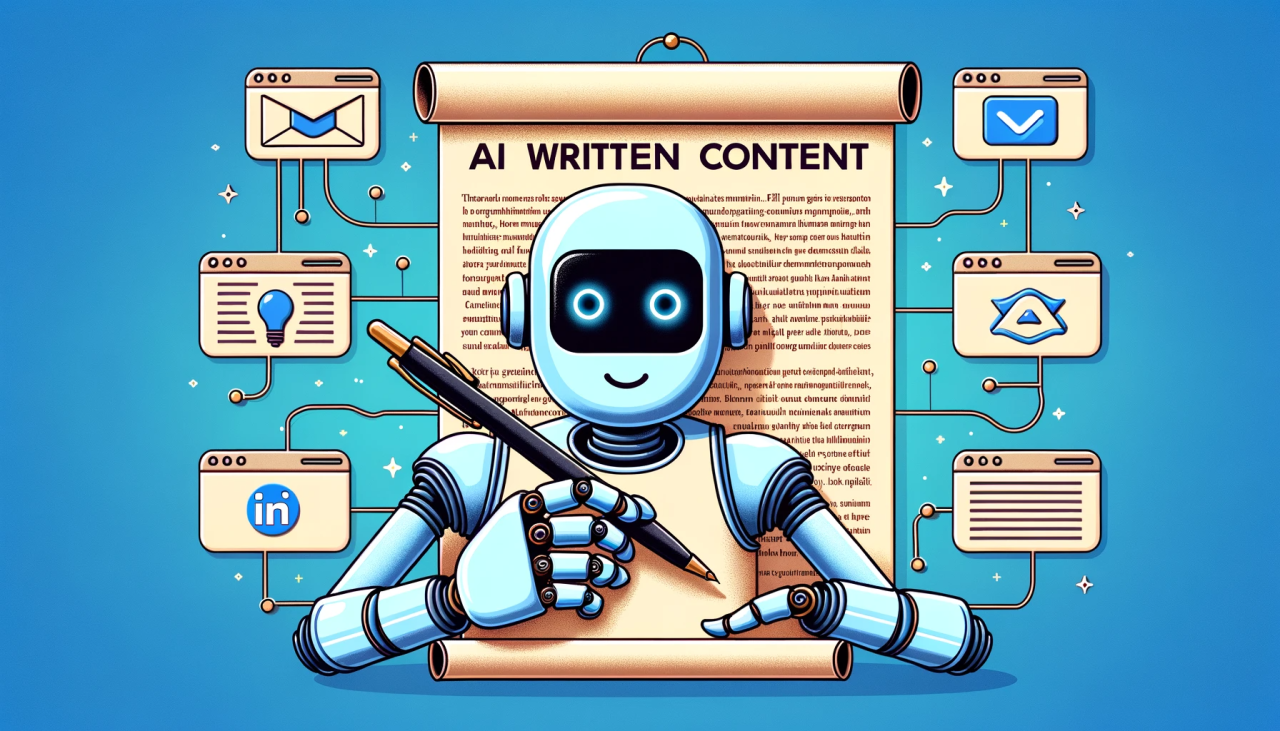
The literary world stands at the precipice of a transformative era, one not witnessed since the invention of the printing press. The catalyst for this seismic shift is Artificial Intelligence (AI), a technology now capable of generating complete, customized novels almost instantaneously. This is not mere speculative fiction; it is today’s reality. AI novel-writing tools are transitioning from experimental curiosities to powerful platforms that democratize storytelling, challenge our notions of creativity, and create unprecedented opportunities for readers, writers, and entrepreneurs alike. This deep dive explores the mechanics, implications, and future of AI-generated fiction, examining how it works, its profound benefits, its inherent challenges, and the strategies for leveraging this technology in a way that is both ethically sound and commercially viable, particularly for content creators focused on platforms like Google AdSense.
At its core, AI novel generation is powered by a class of machine learning models known as Large Language Models (LLMs). These are neural networks trained on petabytes of textual data essentially a significant portion of the digitized written word, encompassing classic literature, modern bestsellers, fan fiction, articles, and more. Through this training, the AI doesn’t just memorize text; it learns the intricate patterns, structures, and nuances of language. It grasps grammar, style, plot archetypes, character development arcs, and genre conventions. When a user provides a prompt such as “a cyberpunk mystery set in Neo-Tokyo featuring a disillusioned detective and a sentient AI” the model predicts, word by word, sentence by sentence, the most statistically plausible and coherent narrative that fulfills those parameters. Advanced platforms allow for iterative refinement, enabling users to guide the plot, adjust character traits, or shift the narrative tone in real-time, resulting in a truly co-created literary work.
The potential applications and advantages of this technology are vast and multifaceted, offering tangible value to diverse user groups.
A. For Readers and Consumers: The Dawn of Hyper-Personalized Fiction
The most direct impact is the fulfillment of the ultimate reader fantasy: a story crafted precisely for individual tastes. Readers are no longer passive consumers but active commissioners of their entertainment. They can request specific cross-genre mashups, insert themselves or friends as characters, explore alternative endings to beloved stories, or generate narratives for ultra-niche interests that traditional publishing would never economically justify. This creates a deeply engaging and interactive relationship with literature.
B. For Aspiring Writers and Content Creators: Overcoming Creative Barriers
AI serves as a powerful collaborator that can dismantle the infamous “blank page” syndrome. It functions as an infinite brainstorming partner, a persistent co-writer, and a dynamic editor. Writers can use it to:
* Generate detailed plot outlines and story beats.
* Produce descriptive passages for settings they find challenging.
* Create realistic dialogue between characters.
* Overcome writer’s block by generating multiple “what happens next?” scenarios.
* Rapidly produce first drafts, which can then be meticulously refined and imbued with the author’s unique voice and style.
C. For Entrepreneurs and Digital Marketers: A New Frontier for SEO and AdSense
This is where the strategic potential for online revenue generation becomes particularly compelling. AI novel-writing tools can be harnessed to create vast, targeted, and unique content at scale a cornerstone of successful Search Engine Optimization (SEO) and AdSense strategies.
* Niche Website Content: Imagine building an entire website dedicated to “Cozy Vampire Mysteries” or “Solarpunk Romances.” AI can generate hundreds of unique short stories, serialized novels, and character profiles for such a site, attracting a dedicated, passionate audience through long-tail keyword searches.
* Driving Organic Traffic: Fresh, lengthy, and engaging content is favored by search engine algorithms. Regularly publishing complete AI-assisted novels or serials can significantly boost a site’s domain authority and organic search rankings for related keywords (e.g., “free sci-fi stories,” “interactive romance novel”).
* Maximizing AdSense Revenue: Longer, engaging content increases page dwell time a critical metric for ad performance. A visitor immersed in a 50-chapter customized novel will view multiple pages, generating more ad impressions. Furthermore, highly niche content attracts a targeted audience, allowing for more relevant (and higher-paying) ad placements.
* Productizing Stories: Beyond ad revenue, creators can use AI to rapidly prototype and then polish stories for direct sale as e-books on platforms like Amazon KDP, or offer premium customization services for readers seeking a truly personal tale.
Despite its promise, the rise of AI authorship is fraught with complex ethical, legal, and artistic debates that cannot be ignored.
 A. The Originality and Plagiarism Paradox
Since AI models are trained on existing human work, where does inspiration end and derivative reproduction begin? The output is a complex remix of its training data. While outright verbatim copying is rare, the question of stylistic imitation and thematic plagiarism is a legal gray area. Users and platforms must employ robust plagiarism checkers and ensure the AI is guided to produce truly transformative content, which is crucial for both ethical publishing and maintaining Google’s guidelines against duplicated content.
B. The Soul of Storytelling: Depth, Coherence, and Emotional Truth
Current AI, while impressive, often struggles with deep narrative coherence over very long formats, profound emotional depth, and the subtext that defines great literature. It may excel at plot structure but falter on sustained thematic exploration or the ineffable “human touch” born of lived experience. The most successful applications will likely be hybrid models, where AI handles generation and scale, and human editors provide creative direction, emotional depth, and qualitative control.
C. Economic Disruption and Authorial Rights
The technology poses legitimate threats to professional writers, particularly in genres like formulaic romance, thriller, or pulp fiction. It could flood markets with low-cost content, devaluing human labor. The licensing and compensation models for the training data (the copyrighted works of millions of authors) remain unresolved, leading to high-profile lawsuits that will shape the industry’s future.
To successfully and responsibly integrate AI novel generation into a content strategy aimed at SEO and AdSense revenue, a structured approach is essential.
A. Human-Centric Curation and Editing: Treat the AI output as a sophisticated first draft. Invest time in rewriting, deepening character motivations, ensuring plot hole consistency, and injecting personal anecdotes or unique philosophical insights. This human layer is what will make the content truly valuable and distinguish it from generic AI spam.
B. Strategic Niche Selection: Conduct thorough keyword research to identify underserved literary niches with dedicated audiences. Use tools like Google Keyword Planner to find terms with high search volume but low competition. Build your entire content pillar around these niches.
C. Quality and Value as Primary Objectives: Google’s algorithms increasingly prioritize E-E-A-T (Experience, Expertise, Authoritativeness, Trustworthiness). Clearly disclose if content is AI-assisted, but establish your site’s authority by providing genuine critiques, analysis, and community features (forums, reader reviews) around the AI-generated stories. Become a curator, not just a generator.
D. Technical SEO Optimization: Ensure each novel or story page is meticulously optimized. This includes crafting compelling meta titles and descriptions, using proper header tags (H1, H2, H3), optimizing image alt-text for illustrations, ensuring mobile responsiveness, and achieving fast page load speeds all critical for ranking.
E. Building a Community: Engage your readers. Allow them to vote on plot directions, submit prompt ideas for the next story, or share their own AI-assisted creations. This builds returning traffic, boosts engagement metrics, and creates a loyal community less likely to be cannibalized by competitors.
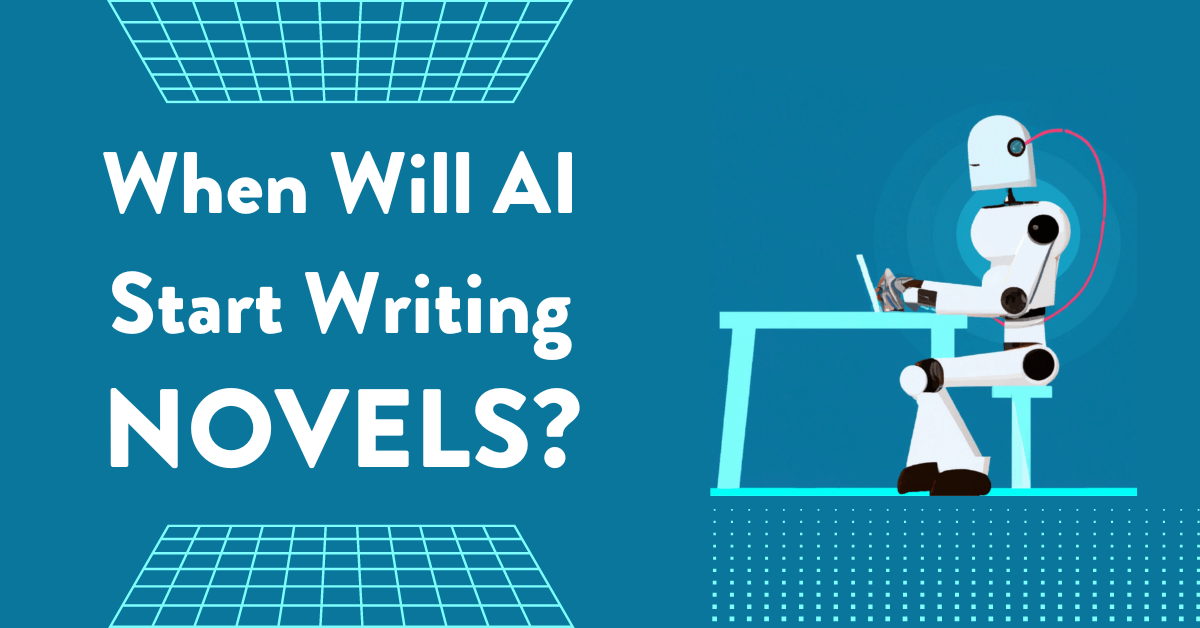 The narrative of AI in literature is not about the replacement of the human author but the redefinition of the authorial role. We are moving from a paradigm of solitary creation to one of collaborative curation and direction. The future will likely see the emergence of “AI Whisperers” or “Narrative Architects” individuals who excel at crafting exquisite prompts, guiding AI outputs, and blending multiple narratives into cohesive, meaningful works that resonate on a human level.
For the savvy content creator, this technology is a lever to pull for scaling quality content, dominating niche audiences, and building sustainable online revenue streams through AdSense and beyond. The key to success lies not in passive generation, but in active, strategic, and ethical partnership with this powerful new tool. The goal is to use AI not to write the story for you, but to help you tell your story, or your audience’s story, in ways previously unimaginable. The book of the future is not just written; it is co-authored, dynamically generated, and perfectly tailored a new chapter in the eternal human endeavor of storytelling.